
France 3-0 Sweden | FIFA World Cup 2026 | MetLife Stadium / New York New Jersey Stadium
Asistencia: 80,363 personas
Goles: Kylian Mbappé 45’, 74’ | Bradley Barcola 53’
Árbitro: Danny Makkelie
Cámaras: Nikon Z8 y Nikon D850
Lentes: Nikkor 400mm, Nikkor 70-200mm y Nikkor 24-70mm
Fotos y reporte: Manuel F. Nieves, Photojournalist
Francia volvió a demostrar por qué es una de las selecciones más temidas de esta Copa del Mundo 2026. En una tarde soleada y exigente en el MetLife Stadium, ante 80,363 personas, el equipo francés derrotó 3 por 0 a Suecia con una autoridad que pocas veces necesitó desesperación. Fue un partido donde el marcador terminó reflejando lo que se sintió desde la cancha: Francia tenía el control, la paciencia y el talento para decidir el encuentro en cualquier momento.
Suecia llegó con orden, sacrificio y una estructura defensiva muy seria. Durante buena parte del primer tiempo trató de cerrar espacios, de cortar los caminos interiores y de resistir el ritmo de los franceses. Pero aun cuando el marcador seguía en cero, la sensación era clara: el primer gol de Francia estaba cerca. No se sentía ansiedad en los jugadores ni preocupación en los hinchas franceses. Todo parecía cuestión de esperar el instante exacto.
Francia atacó con insistencia, movió la pelota con velocidad y encontró profundidad por varios sectores. Kylian Mbappé fue una amenaza constante, Michael Olise apareció con creatividad y Bradley Barcola ofreció desborde y llegada. Antes del descanso, Francia ya había generado varias ocasiones importantes, incluyendo acciones que terminaron cerca del arco sueco y una presión que fue empujando cada vez más al rival hacia su propia área.
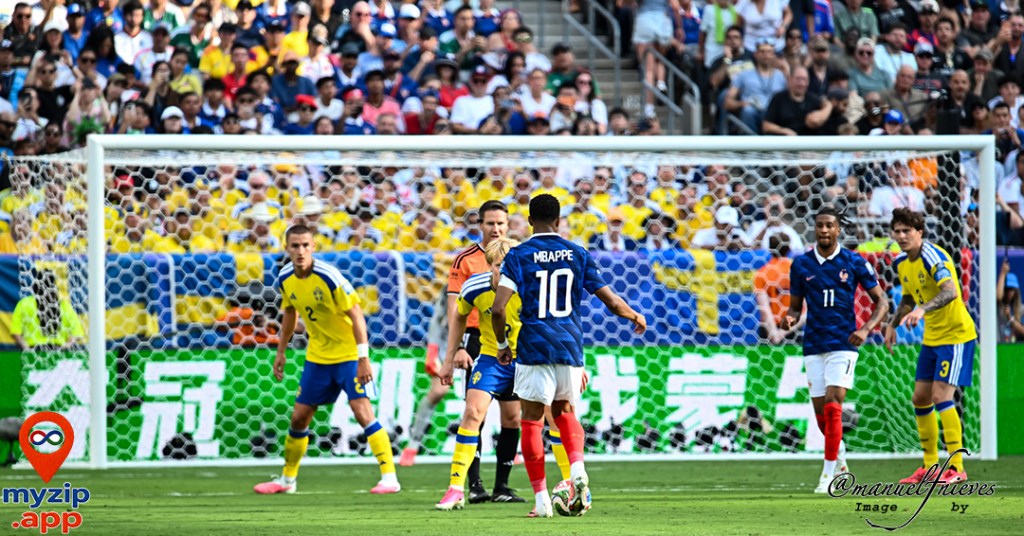
El golpe llegó justo antes del final del primer tiempo. En el minuto 45, Mbappé recibió por el sector izquierdo, se metió en el área y sacó un remate fuerte, preciso y letal para abrir el marcador. Fue el tipo de gol que cambia el ánimo de un partido: Suecia había resistido con esfuerzo, pero Francia encontró la grieta en el momento más doloroso, cuando el descanso parecía estar cerca.
En el segundo tiempo, Suecia intentó adelantar líneas y buscar con más decisión el arco francés. Ese esfuerzo, aunque valiente, también abrió espacios. Y contra un equipo como Francia, cada espacio puede convertirse en una sentencia. En el minuto 53, Bradley Barcola marcó el 2-0 después de una gran asistencia de Michael Olise, confirmando que el dominio francés ya no era solo territorial, sino también definitivo en el resultado.
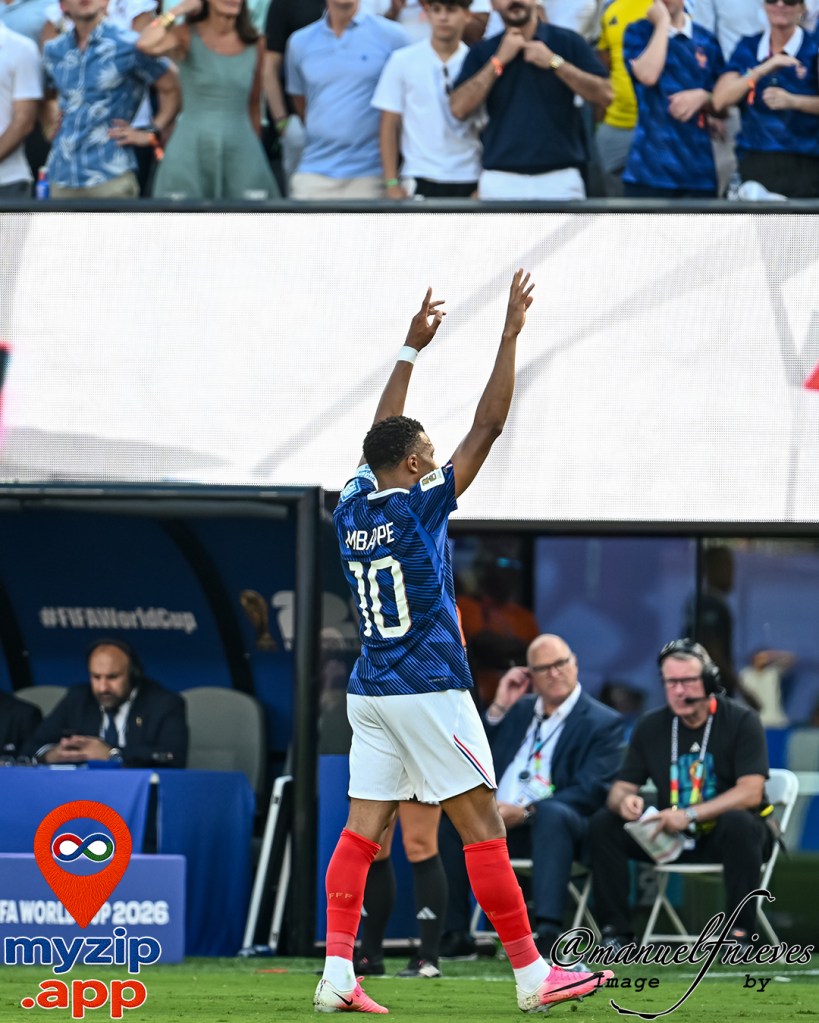
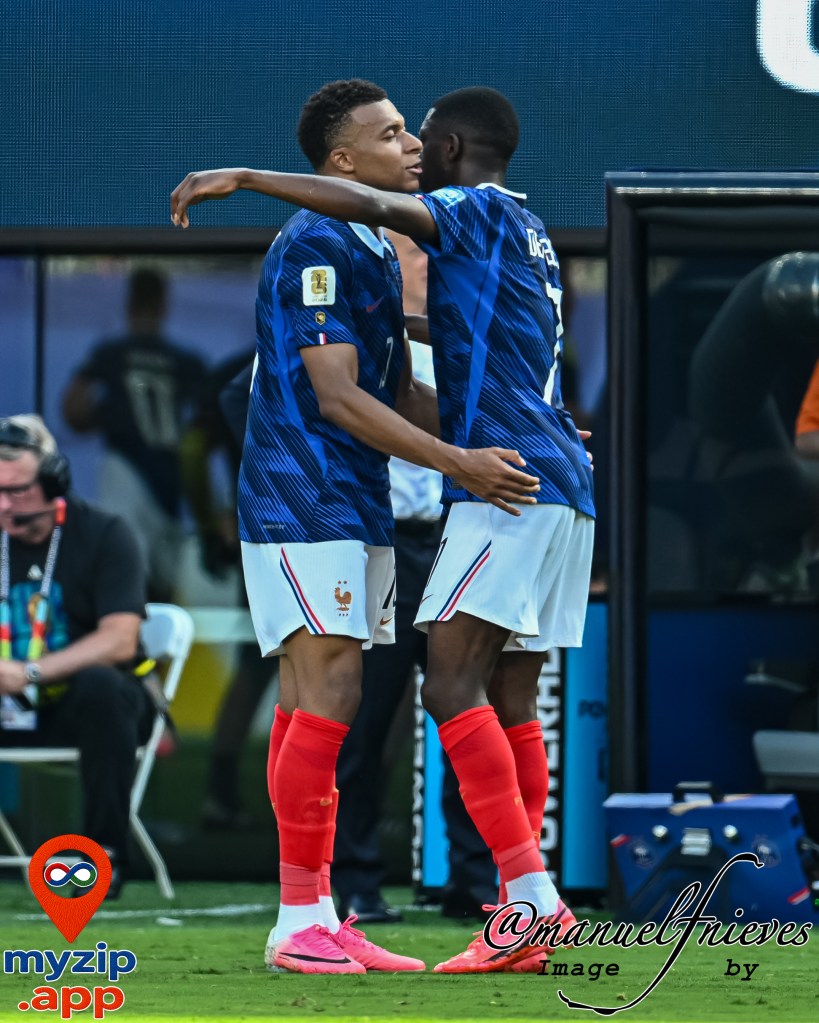
Con la ventaja a su favor, Francia jugó con más libertad. Suecia siguió peleando, pero el partido empezó a mostrar una diferencia evidente de velocidad, calidad individual y profundidad ofensiva. Mbappé, siempre atento, siempre peligroso, volvió a aparecer en el minuto 74 para marcar su segundo gol personal y el tercero de Francia. Con ese tanto, el capitán francés cerró una actuación poderosa y continuó ampliando su leyenda mundialista.
El 3-0 no fue una victoria sufrida ni dramática para Francia. Fue una muestra de autoridad. Suecia dejó esfuerzo, entrega y dignidad, pero Francia pareció manejar los tiempos del partido con una serenidad impresionante. El equipo francés no necesitó correr detrás del resultado, no perdió la calma y nunca transmitió la sensación de estar en peligro real. Fue una noche donde la superioridad se fue construyendo con paciencia hasta convertirse en goleada.
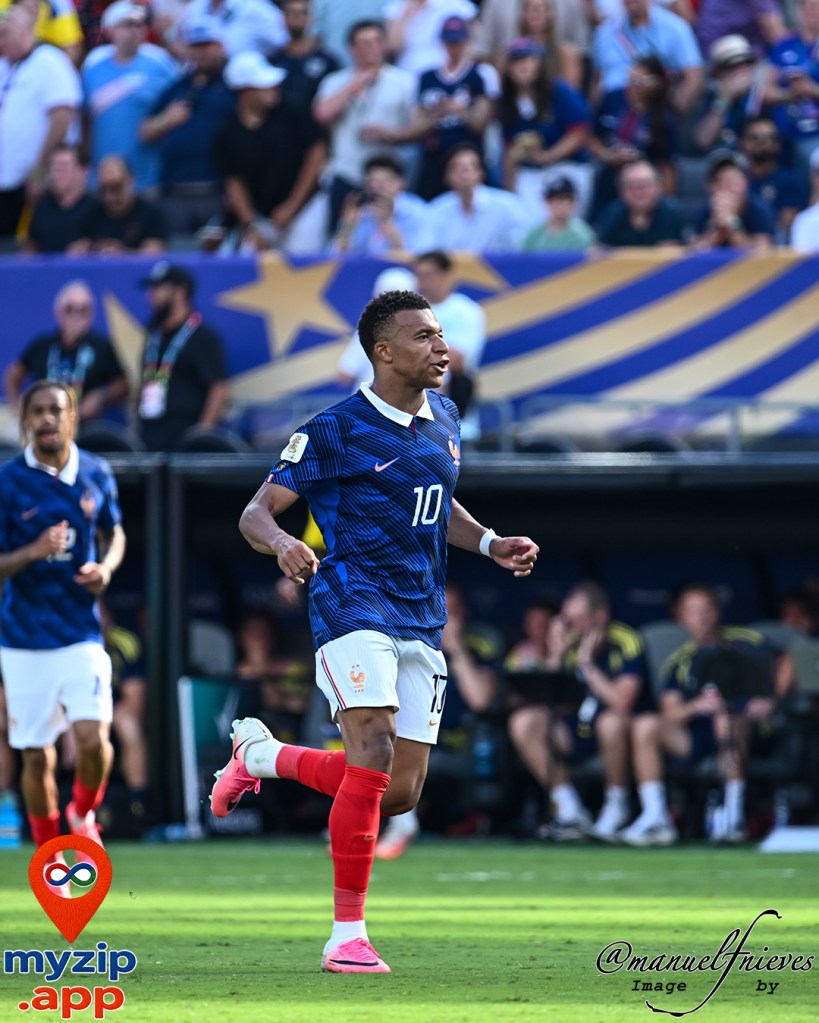
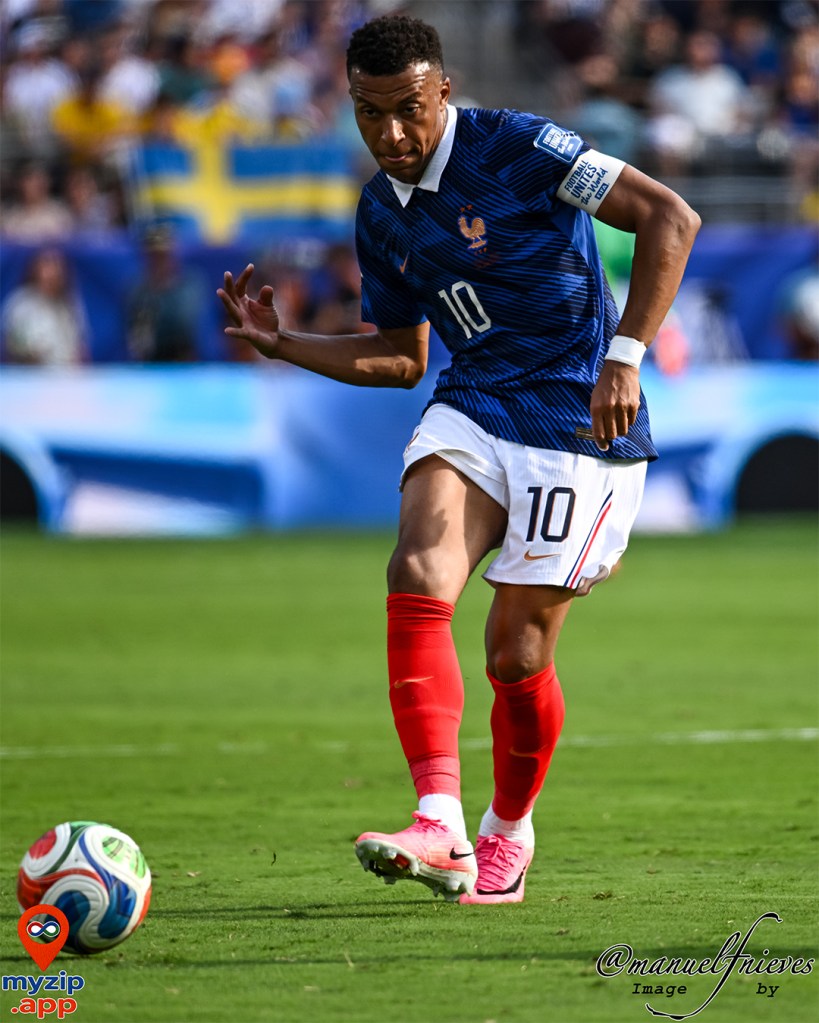
Mbappé volvió a ser el nombre principal de la jornada. Sus dos goles no solo le dieron la victoria a Francia, también lo colocaron todavía más alto en la historia de los máximos goleadores de la Copa del Mundo. Cada vez que acelera, el estadio cambia de respiración. Cada vez que recibe la pelota, los defensores retroceden, los fotógrafos se preparan y el público espera algo diferente. Ese es el peso de una figura mundial.
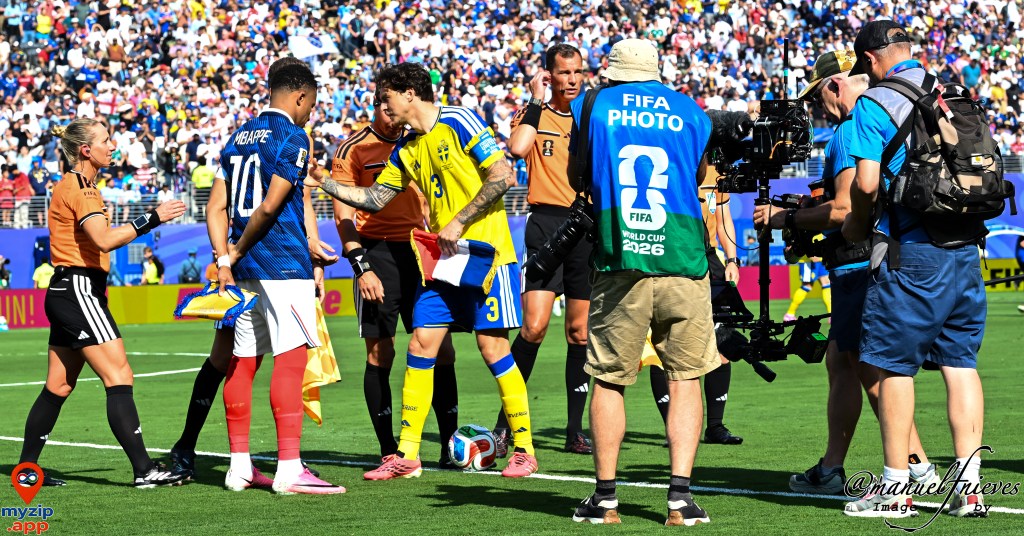
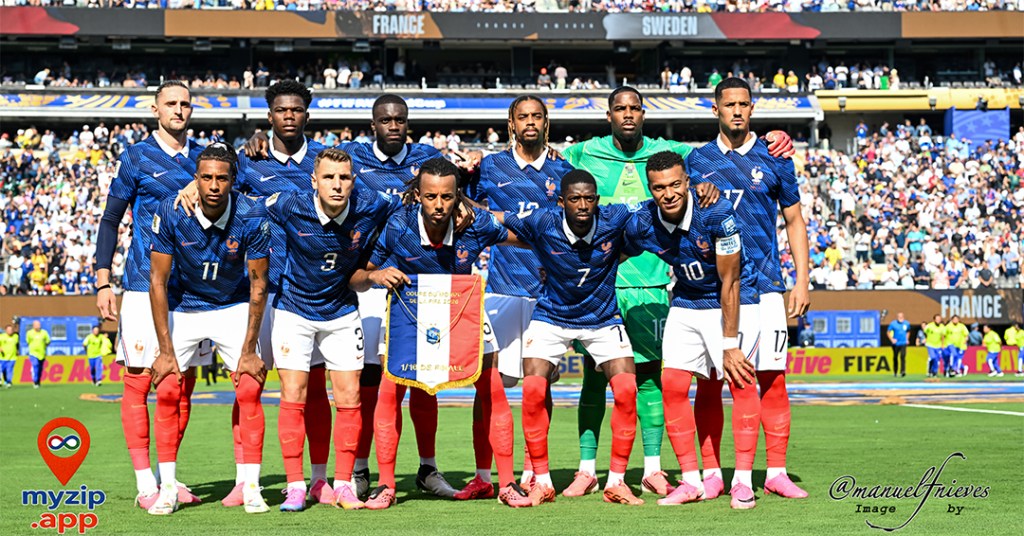
Desde mi posición como fotoperiodista, este partido también tuvo su propia historia. Esta vez me tocó trabajar desde el borde de la cancha, casi en el centro del campo, con un sol fuerte que cubrió gran parte del estadio durante todo el encuentro. Sabía desde el comienzo que esa ubicación no sería la más favorable para capturar las jugadas cerca de los arcos, por eso planifiqué primero asegurar la fotografía del equipo francés antes del inicio del partido y luego adaptarme al ritmo del juego desde una distancia más complicada.
Con el Nikkor 400mm pude seguir varias acciones importantes, pero desde esa zona de la cancha muchas jugadas dentro del área quedaban demasiado lejos. El reto fue anticipar, esperar el momento exacto y aprovechar cada avance de Francia, especialmente cuando Mbappé tomaba velocidad y el partido comenzaba a inclinarse definitivamente hacia el lado francés. Fotografiar fútbol desde el campo no siempre depende solo del equipo o del lente; también depende de la luz, la posición, la distancia y de saber resolver en segundos.
Para mí, esta cobertura tuvo además un significado especial. En el anterior partido de Francia viví un momento difícil cuando, mientras intentaba seguir a Mbappé con mi cámara, un pelotazo golpeó mi lente, rompió el parasol y los pedazos me cortaron el rostro. Esta vez no hubo sangre, no hubo paramédicos ni susto. Hubo sol, presión, distancia y cansancio, pero también la satisfacción profunda de volver a estar allí, al borde de la cancha, cumpliendo con mi trabajo.
Francia ganó con autoridad y Mbappé volvió a escribir otra página mundialista. Yo, desde mi lugar detrás del lente, también cerré este partido con una sensación distinta: la de haber superado el recuerdo del golpe anterior y haber regresado al campo con la misma pasión de siempre. Porque en una Copa del Mundo, cada partido se vive dos veces: una en la cancha, con los goles y la emoción del público, y otra detrás de la cámara, donde cada imagen guarda también la historia de quien la tomó.
France Shows No Mercy: Mbappé Shines at MetLife as Sweden Falls Without Answers
France 3-0 Sweden | FIFA World Cup 2026 | MetLife Stadium / New York New Jersey Stadium
Attendance: 80,363
Goals: Kylian Mbappé 45’, 74’ | Bradley Barcola 53’
Referee: Danny Makkelie
Cameras: Nikon Z8 and Nikon D850
Lenses: Nikkor 400mm, Nikkor 70-200mm and Nikkor 24-70mm
Photos and report: Manuel F. Nieves, Photojournalist
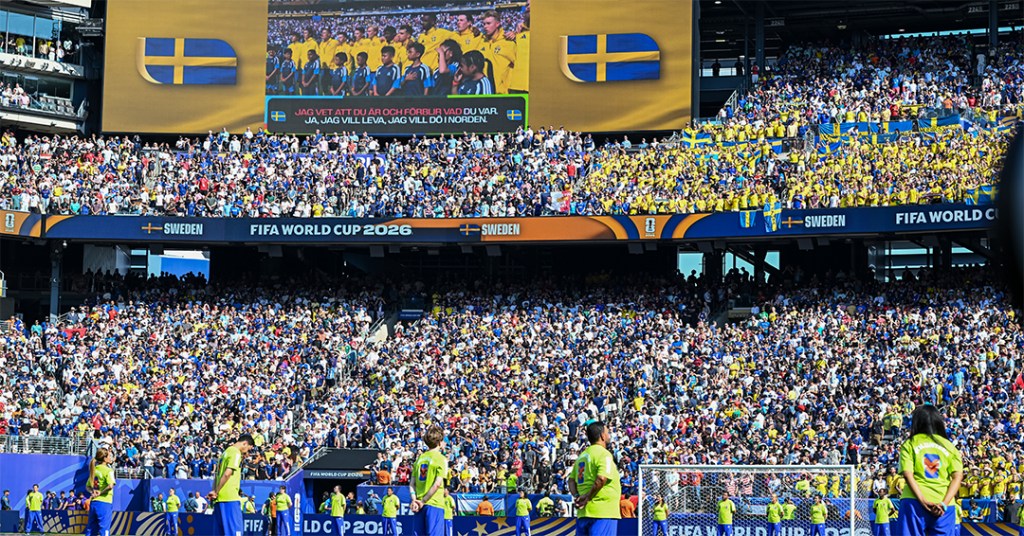
France once again showed why it remains one of the most dangerous teams in the FIFA World Cup 2026. On a bright and demanding afternoon at MetLife Stadium, in front of 80,363 fans, Les Bleus defeated Sweden 3-0 with the kind of authority that never felt forced. It was a match where the final score reflected what could be felt from the field: France had control, patience, and enough talent to decide the game at any moment.
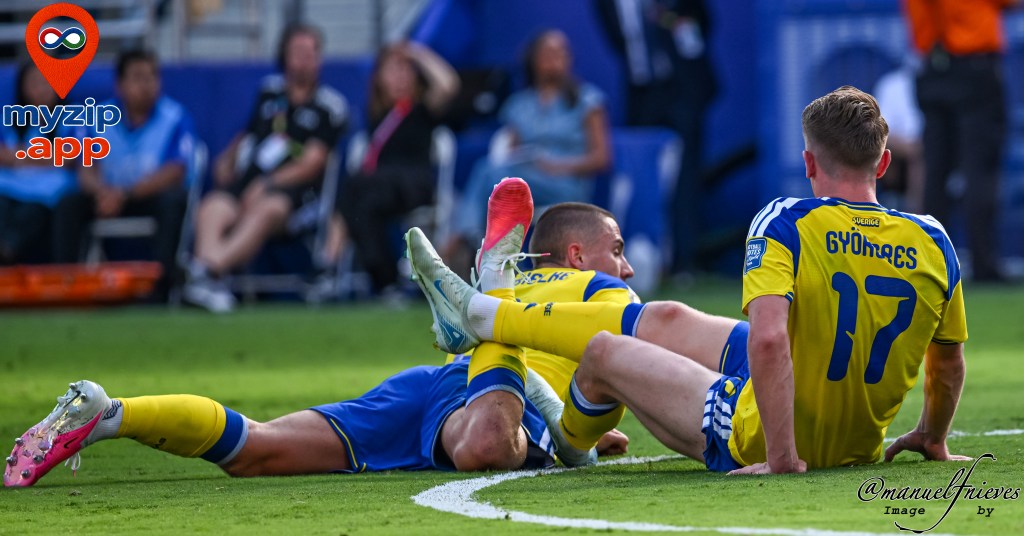
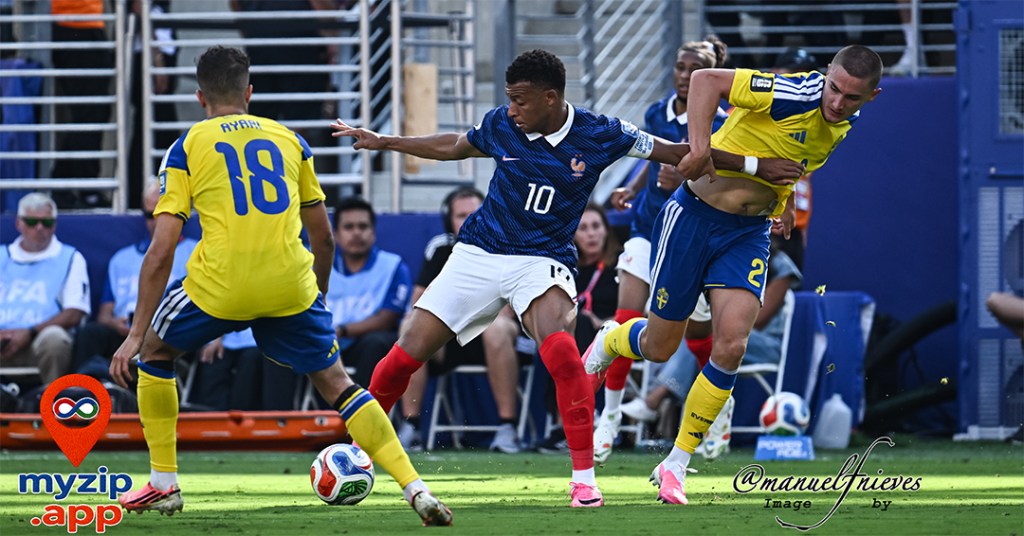
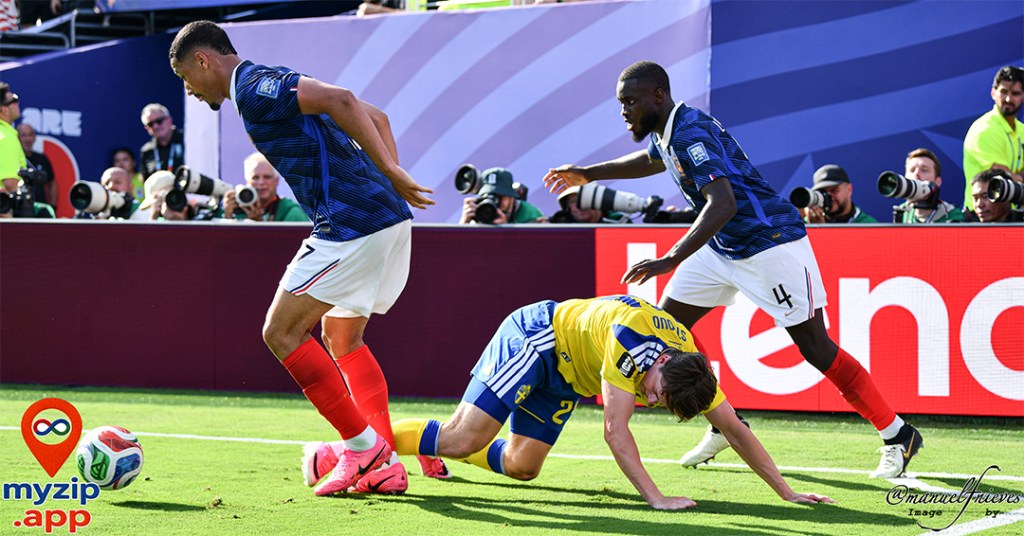
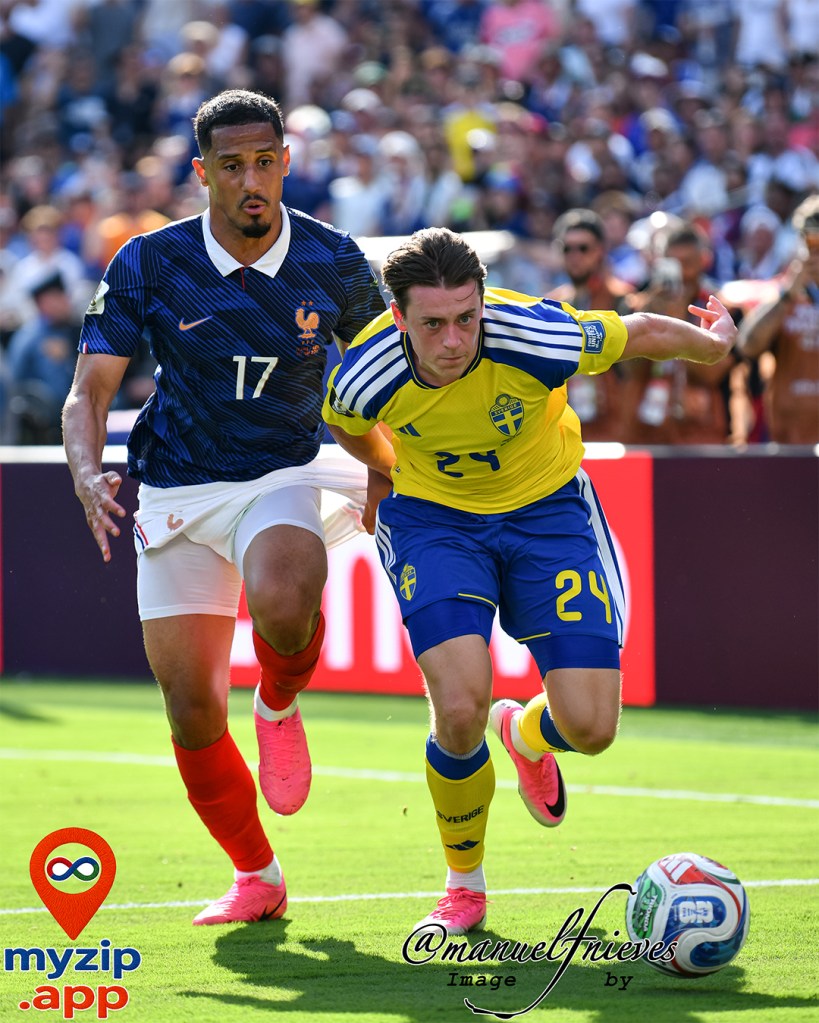
Sweden arrived with discipline, sacrifice, and a serious defensive structure. For much of the first half, the Swedish side tried to close the spaces, protect the central areas, and resist France’s rhythm. But even while the score remained level, the feeling was clear: the first French goal was coming. There was no anxiety among the French players and no real concern among their supporters. It felt like only a matter of time.
France attacked with persistence, moved the ball with speed, and found depth in different areas of the field. Kylian Mbappé was a constant threat, Michael Olise added creativity, and Bradley Barcola gave France another direct option going forward. Before halftime, Les Bleus had already created several dangerous moments, pushing Sweden deeper and deeper into its own half.
The breakthrough finally came at the perfect moment for France and the most painful one for Sweden. In the 45th minute, Mbappé received the ball on the left, moved into the penalty area, and unleashed a powerful and precise strike to open the scoring. It was the kind of goal that changes the emotional weight of a match. Sweden had resisted with effort and order, but France found the opening just before halftime.
After the break, Sweden tried to push higher and look for the French goal with more urgency. That effort was brave, but it also created more space. Against a team like France, open space can quickly become a punishment. In the 53rd minute, Bradley Barcola made it 2-0 after a sharp assist from Michael Olise, confirming that France’s dominance was no longer only about possession and pressure, but also about the scoreboard.
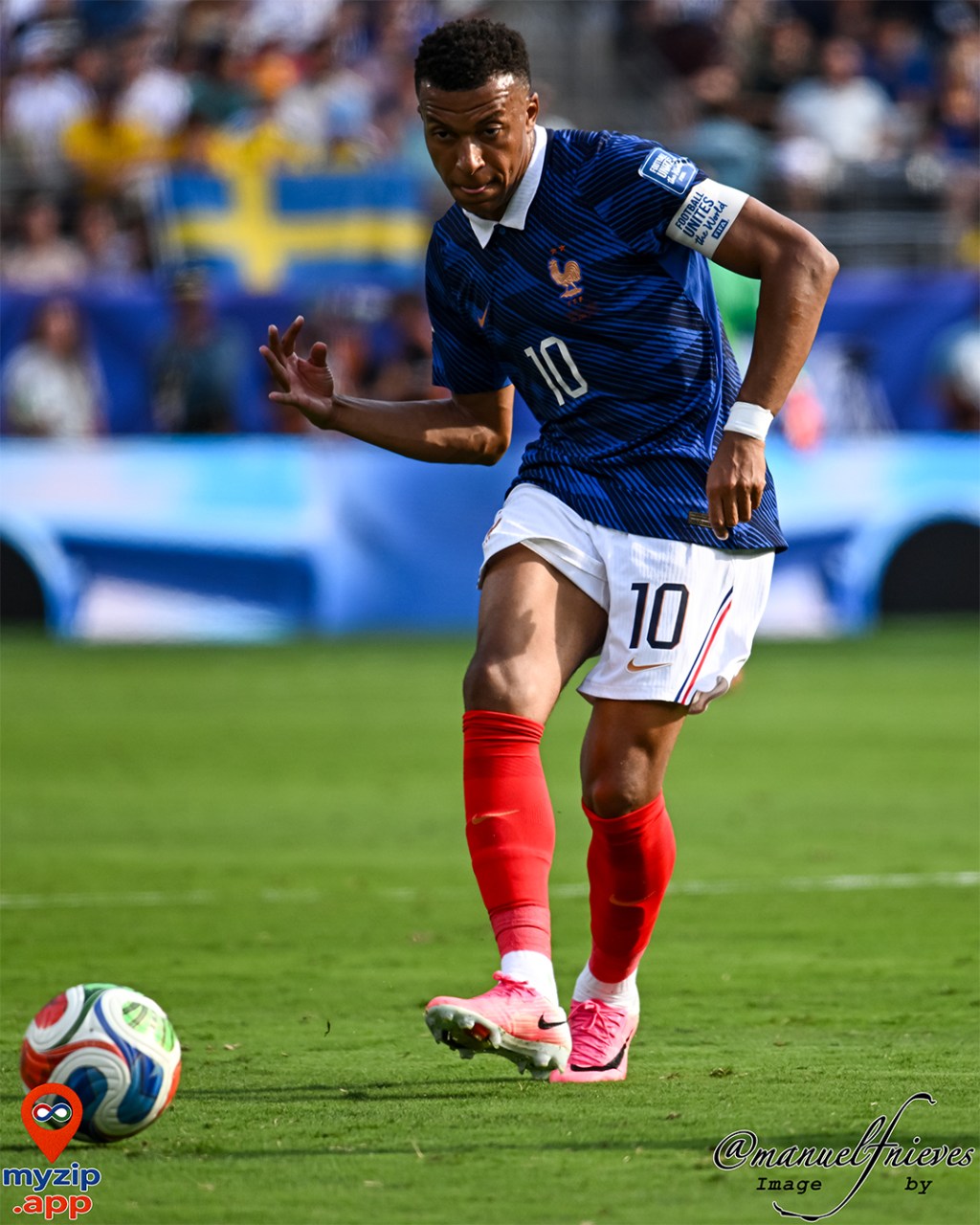
With the advantage secured, France played with even more freedom. Sweden continued to fight, but the difference in speed, individual quality, and attacking depth became more evident. Mbappé, always alert and always dangerous, appeared again in the 74th minute to score his second goal of the match and France’s third of the afternoon. With that finish, the French captain closed another powerful performance and continued building his World Cup legacy.
This was not a dramatic or desperate victory for France. It was a statement of authority. Sweden showed effort, pride, and dignity, but France controlled the tempo with impressive calm. Les Bleus never seemed to chase the game, never lost their composure, and never gave the impression of being in real danger. Their superiority was built with patience until it became a complete win.
Mbappé was once again the central figure of the match. His two goals not only gave France the victory, they also moved him higher among the greatest scorers in World Cup history. Every time he accelerates, the stadium seems to hold its breath. Every time he receives the ball, defenders step back, photographers get ready, and the crowd expects something special. That is the weight of a global star.
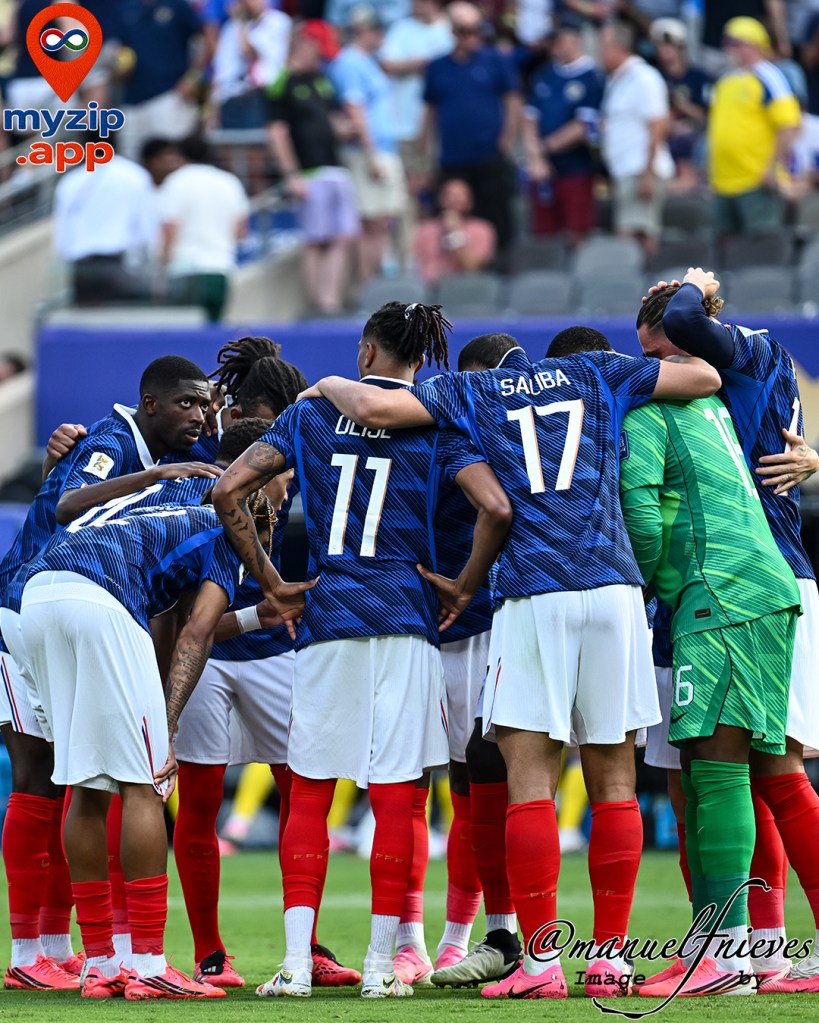
From my position as a photojournalist, this match also carried its own story. This time, I worked from the sideline, almost near the center of the field, with a strong sun covering much of the stadium throughout the match. I knew from the beginning that this was not the best location to capture the action near the goals, so I planned first to secure the French team photo before kickoff and then adapt to the rhythm of the game from a more difficult distance.
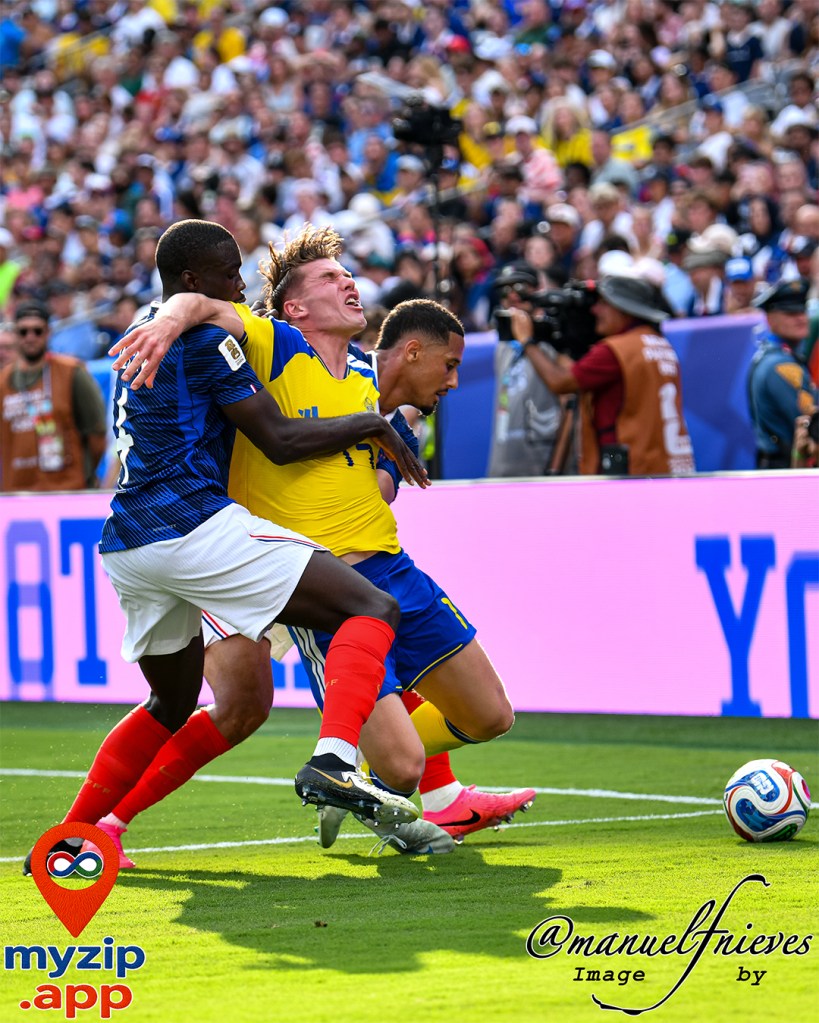
With the Nikkor 400mm, I was able to follow several important moments, but from that area of the field many plays inside the box were still too far away. The challenge was to anticipate, wait for the right second, and take advantage of every French attack, especially when Mbappé began to accelerate and the match started to lean completely toward France. Photographing soccer from the field is not only about the camera or the lens; it is also about light, position, distance, and making decisions in seconds.
For me, this coverage had a special meaning. In the previous France match, I experienced a difficult moment when, while trying to follow Mbappé through my camera, a ball struck my lens, broke the lens hood, and pieces of it cut my face. This time, there was no blood, no paramedics, and no scare. There was sun, pressure, distance, and fatigue, but also the deep satisfaction of being back on the field and completing my work.
France won with authority, and Mbappé wrote another chapter in his World Cup story. From behind the lens, I also ended this match with a different feeling: the feeling of having overcome the memory of that previous impact and returning to the field with the same passion as always. Because in a World Cup, every match is lived twice: once on the field, through the goals and the emotion of the crowd, and once behind the camera, where every image also carries the story of the person who captured it.


Share your thoughts