
En un partido reñido de principio a fin, donde cualquiera de las dos selecciones pudo haberse llevado la victoria, Brasil y Marruecos empataron 1-1 en el primer encuentro mundialista disputado en el MetLife Stadium de Nueva Jersey durante la Copa Mundial de la FIFA 2026. Ante más de 80 mil espectadores, el estadio vivió una tarde de intensidad, nerviosismo y fútbol de alto nivel, con dos equipos que dejaron claro desde el inicio que no estaban dispuestos a especular.
El ambiente previo parecía inclinarse hacia Brasil. Las tribunas, cubiertas en gran parte de amarillo, anunciaban una jornada de fiesta para la “Canarinha”. Sin embargo, Marruecos salió al campo con personalidad, orden táctico y una propuesta ofensiva que sorprendió al conjunto brasileño en los primeros minutos. El equipo africano presionó con agresividad, ganó espacios en el mediocampo y atacó con velocidad cada vez que recuperó la pelota.
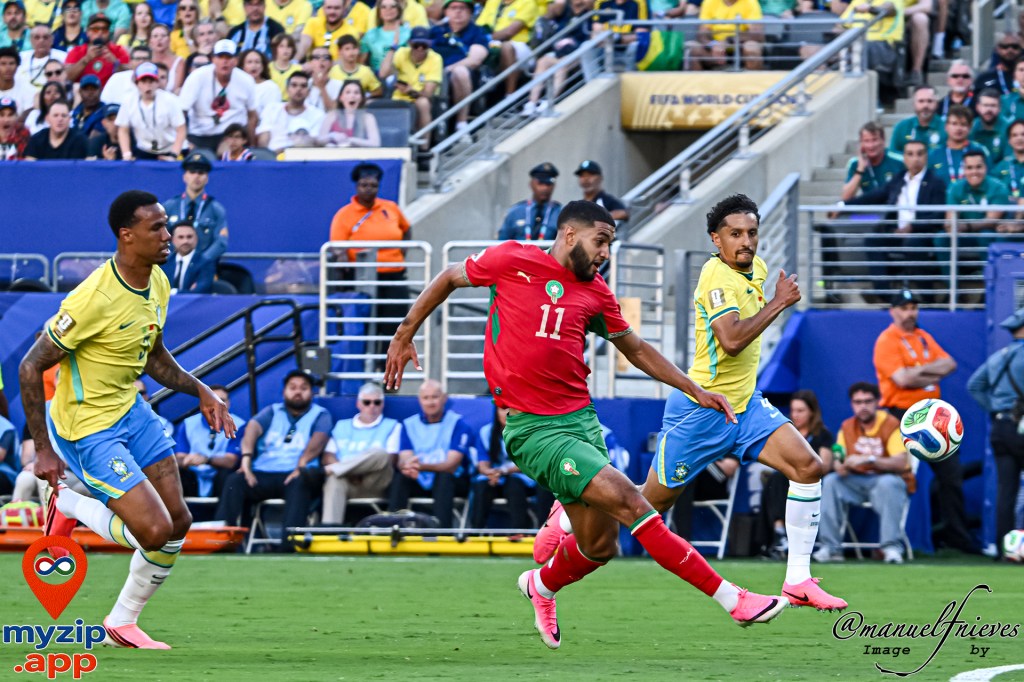
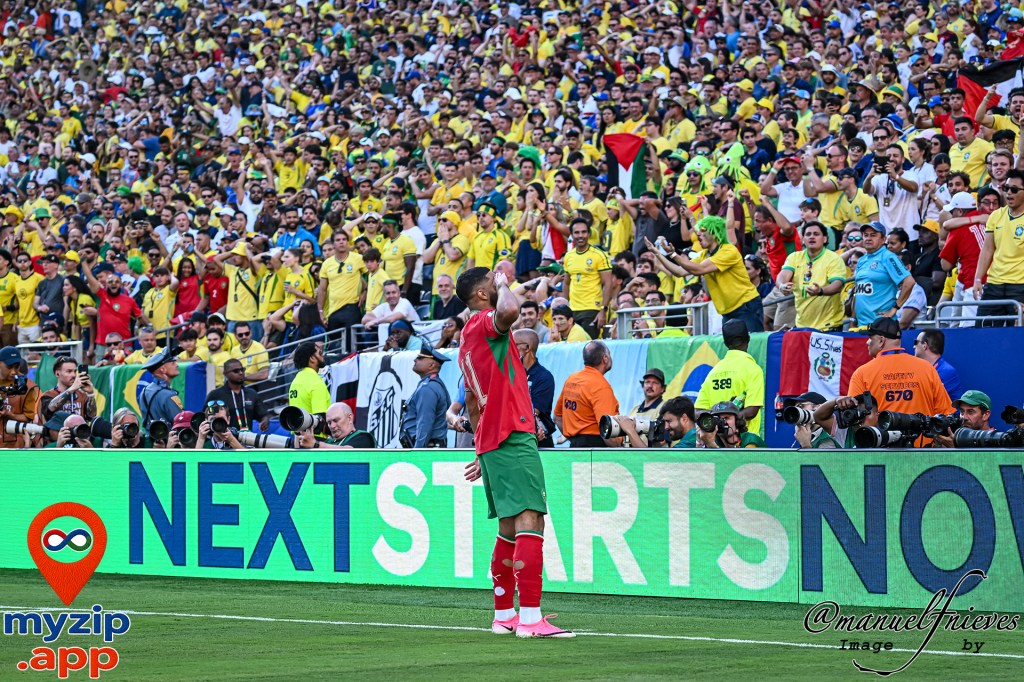
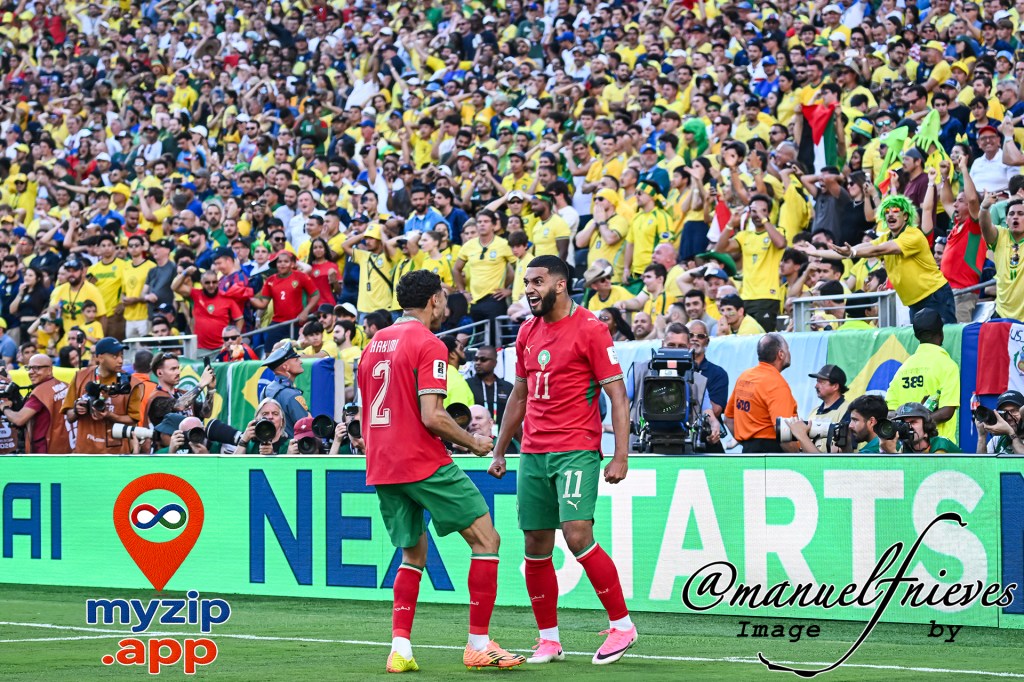
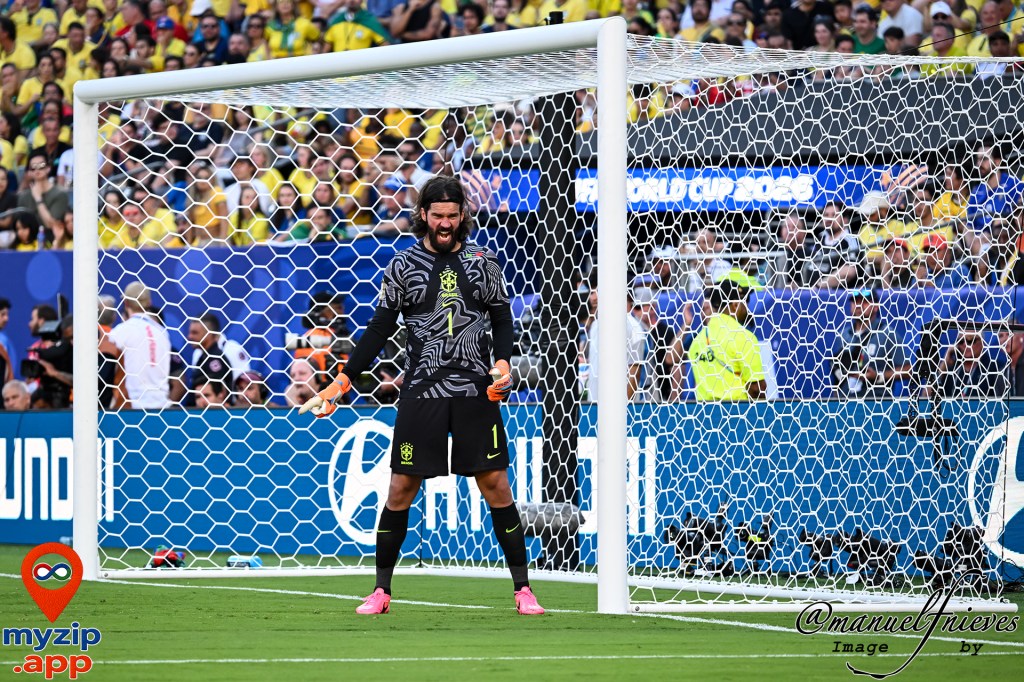
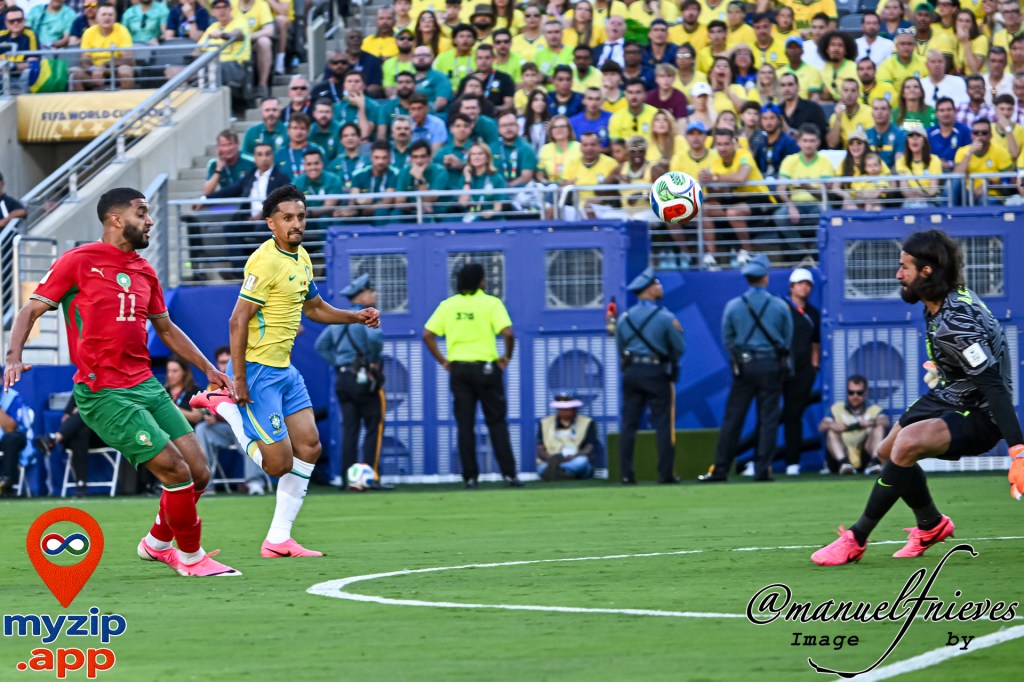
Brasil, por momentos, lució incómodo. Sus defensores tuvieron que retroceder constantemente ante la movilidad de los delanteros y mediocampistas marroquíes. Aunque la defensa brasileña logró contener varias aproximaciones, al minuto 21 Marruecos encontró el premio a su mejor inicio. Ismael Saibari recibió el balón en una transición rápida, ganó en velocidad frente a Marquinhos y, ante la salida del portero Alisson Becker, definió con categoría por encima del guardameta para poner el 1-0.
Hasta ese momento, Marruecos era superior. No se trataba de una sorpresa aislada, sino de una demostración de carácter, disciplina y ambición. El equipo marroquí no llegó al Mundial únicamente para competir; llegó para imponer su fútbol. Con líneas compactas, salida rápida y una confianza visible en cada pelota dividida, confirmó por qué muchos analistas lo consideran una selección con posibilidades reales de llegar a instancias importantes del torneo.
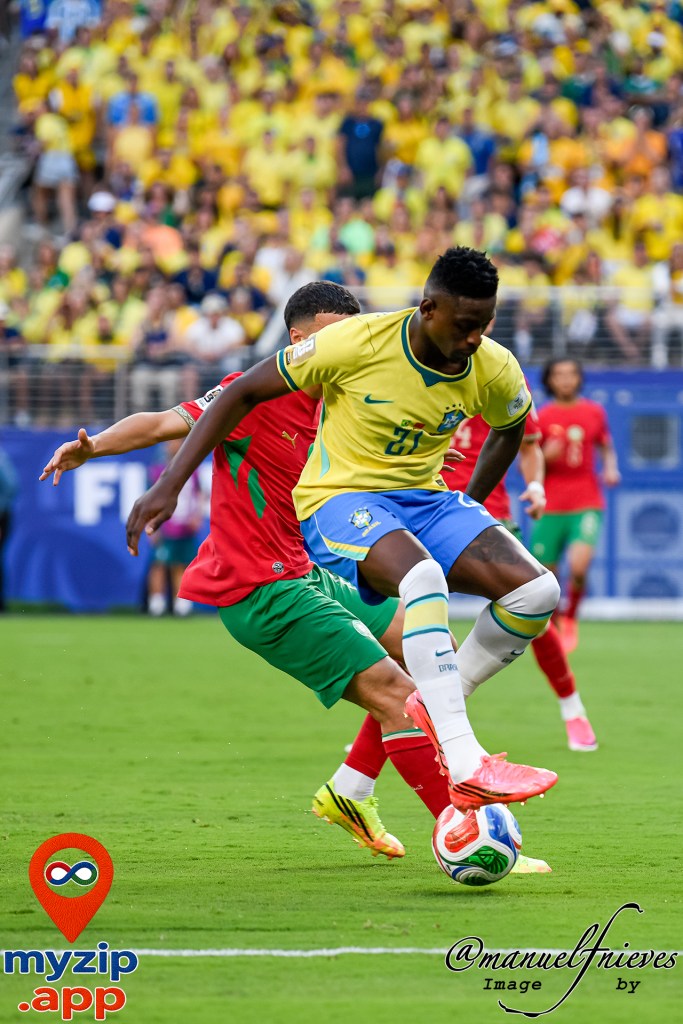
Pero Brasil reaccionó rápido. Herido por el gol, el equipo sudamericano encontró en Vinícius Júnior a su principal líder emocional y futbolístico. El delantero asumió responsabilidades, pidió la pelota y comenzó a cambiar el ritmo del ataque brasileño. Diez minutos después del gol marroquí, Vinícius apareció libre cerca del borde del área y sacó un disparo preciso que venció al arquero rival para igualar el marcador 1-1.
El empate devolvió aire a Brasil y cambió el clima del partido. La afición brasileña volvió a levantarse, aunque ya no con la misma seguridad del inicio. Marruecos había dejado una advertencia clara: no estaba allí para resistir, sino para competir de igual a igual. Con el 1-1, ambos equipos se fueron al descanso después de un primer tiempo intenso, emocionante y con momentos de dominio alternado.
En la segunda mitad, el juego se volvió más equilibrado. Brasil tuvo pasajes de mayor posesión y trató de imponer su jerarquía individual, mientras Marruecos mantuvo su orden, su velocidad y su capacidad para generar peligro en cada avance. La tensión dentro del estadio era evidente. Cada ataque brasileño levantaba a la multitud, pero cada respuesta marroquí sembraba preocupación en una afición que entendía que el partido estaba lejos de estar controlado.
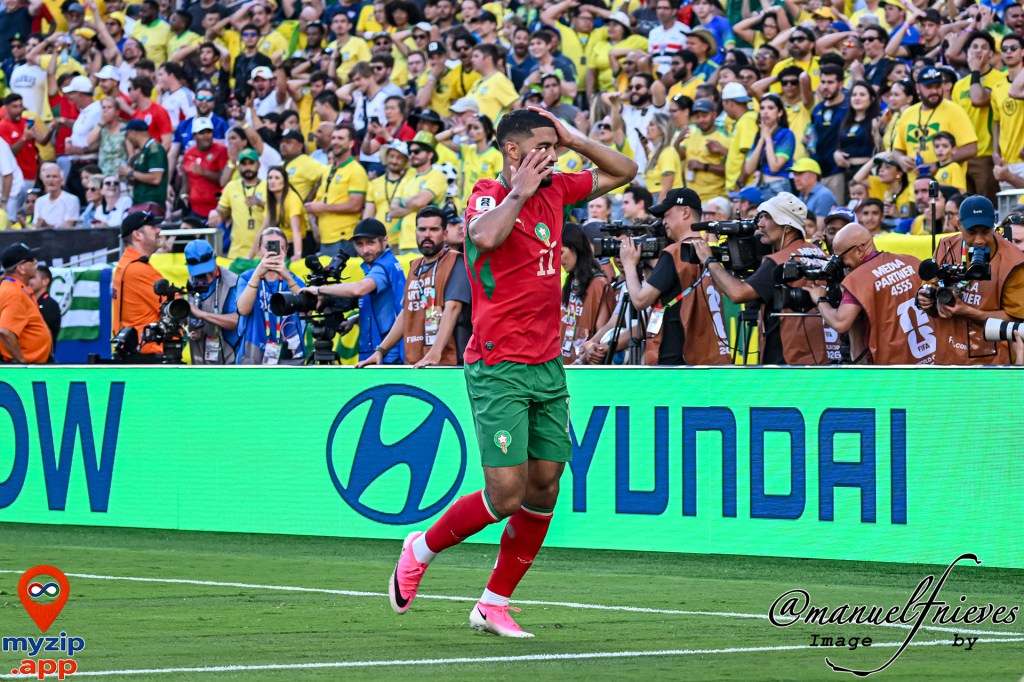
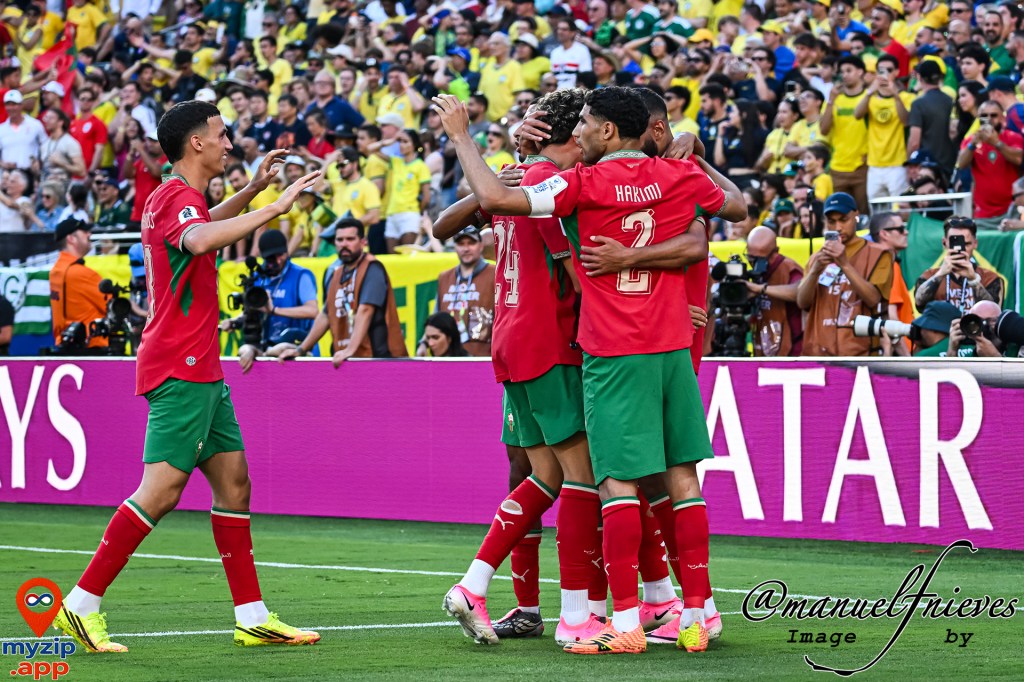
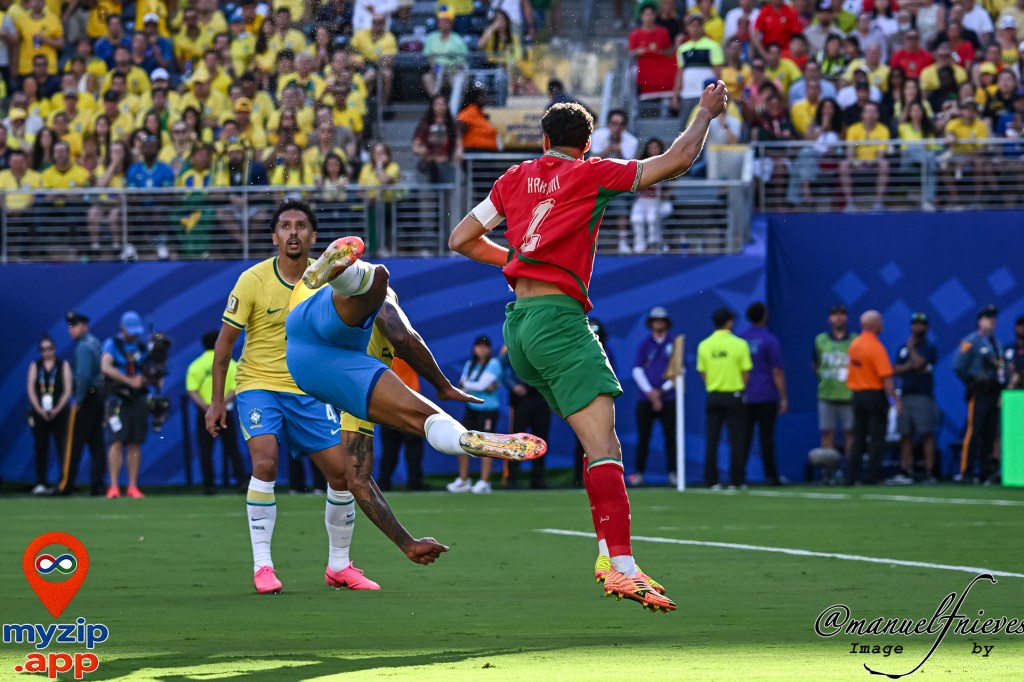
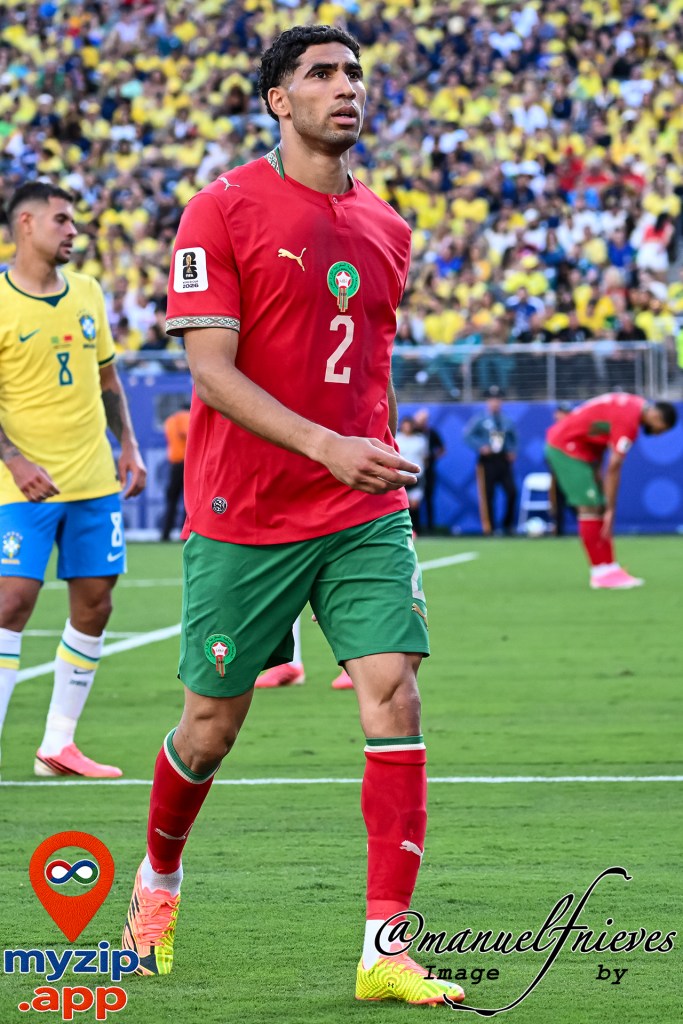
Desde mi punto de vista, Achraf Hakimi fue el mejor jugador del encuentro. Su despliegue físico, lectura del juego, liderazgo defensivo y proyección ofensiva marcaron una diferencia importante para Marruecos. Sin embargo, la FIFA escogió a Vinícius Júnior como la figura del partido, una decisión comprensible por el peso de su gol, su liderazgo y la energía con la que impulsó a Brasil después de verse abajo en el marcador.
El resultado terminó siendo justo. Brasil mostró carácter para levantarse de un golpe temprano, mientras Marruecos confirmó que puede competir ante cualquier rival del mundo. Fue un empate intenso, disputado y digno de un escenario mundialista. Un partido donde no hubo un dominador absoluto durante los 90 minutos, pero sí dos selecciones que dejaron una imagen fuerte en su debut.
Para mí, este partido tuvo un significado especial. Fue mi primer Mundial fotografiando desde el campo, una meta que durante años imaginé y que finalmente pude cumplir. Me tocó una ubicación diferente a la que normalmente prefiero. Fui asignado a la silla 60, cerca del centro de la cancha, cuando mi costumbre y mi comodidad como fotógrafo siempre han estado más cerca de los lados del arco, donde suelo capturar mejor la emoción de los goles y las jugadas decisivas.
Pero un Mundial no se trabaja desde la comodidad. Se trabaja desde el lugar asignado, con las condiciones que se presentan y con la responsabilidad de cumplir. Esa fue también parte de la experiencia: adaptarse, observar distinto, buscar nuevos ángulos y entender que estar allí ya era parte de una meta cumplida.
Fotografiar este Brasil vs. Marruecos en el MetLife Stadium fue mucho más que cubrir un partido. Fue vivir desde adentro la grandeza de una Copa Mundial, sentir la presión del momento, escuchar a más de 80 mil personas reaccionar a cada jugada y saber que cada disparo de la cámara formaba parte de una historia personal y profesional.
Una meta cumplida. Gracias a mis seguidores, a Noticiero Universo y a quienes patrocinan y apoyan mi trabajo.
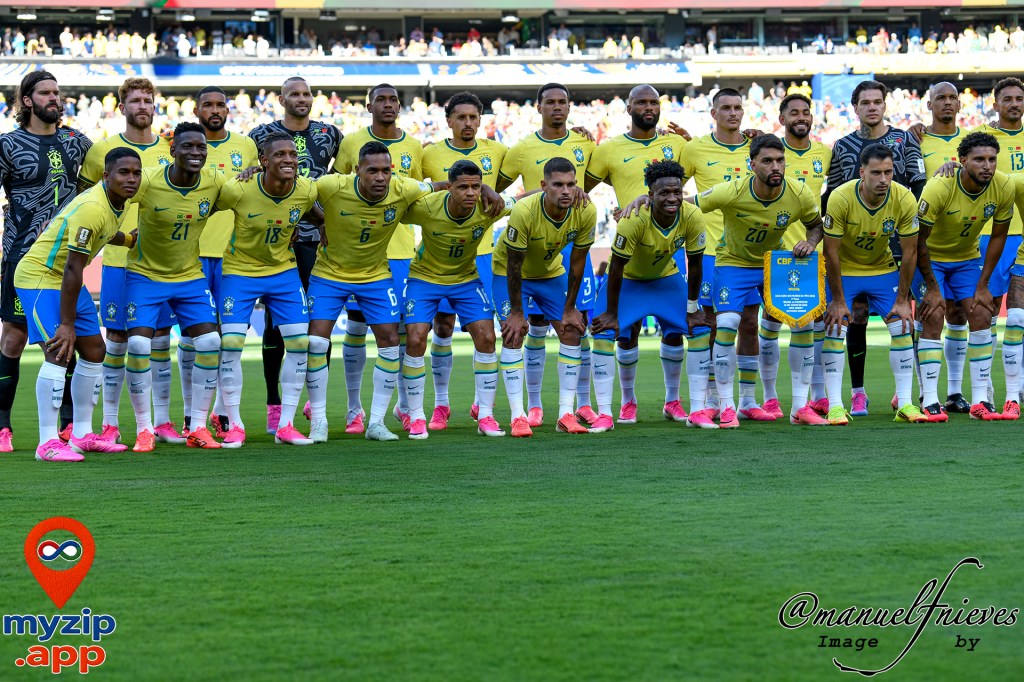
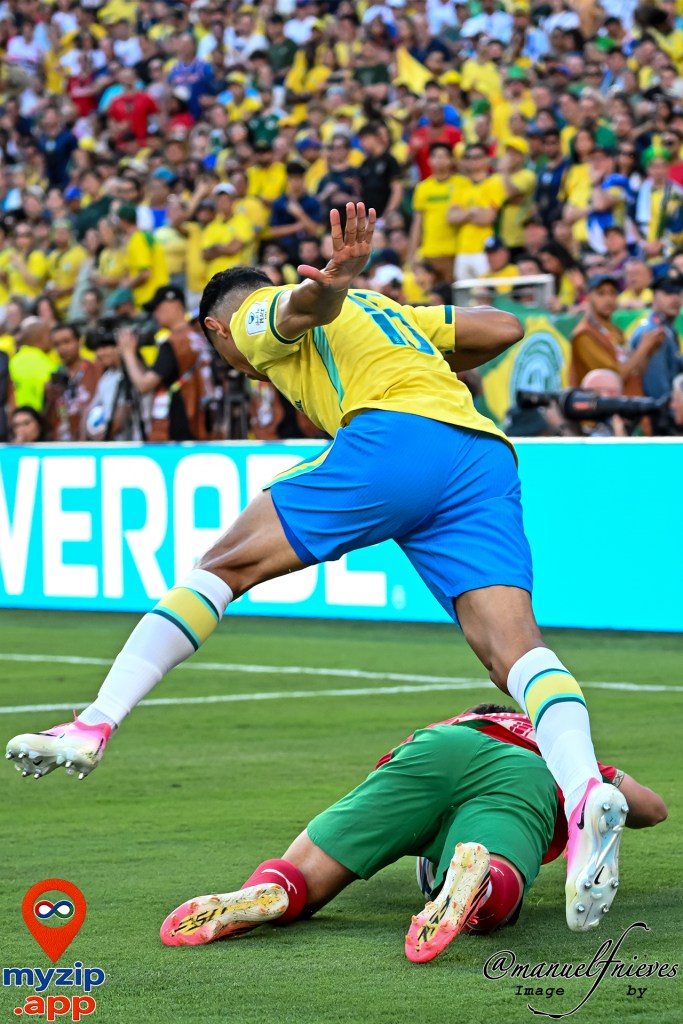
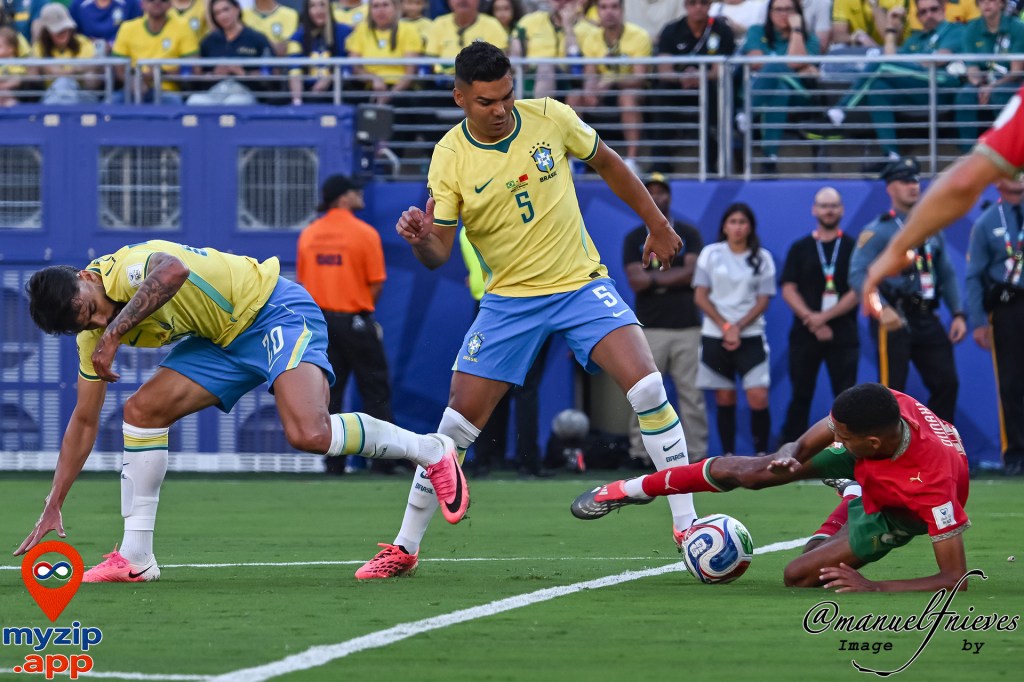
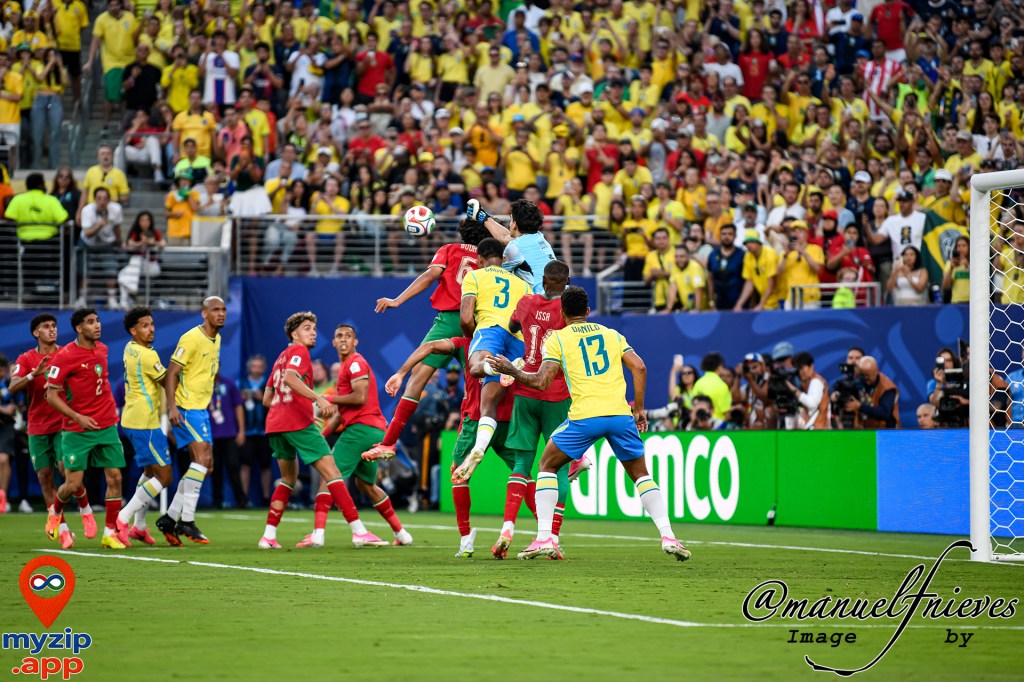
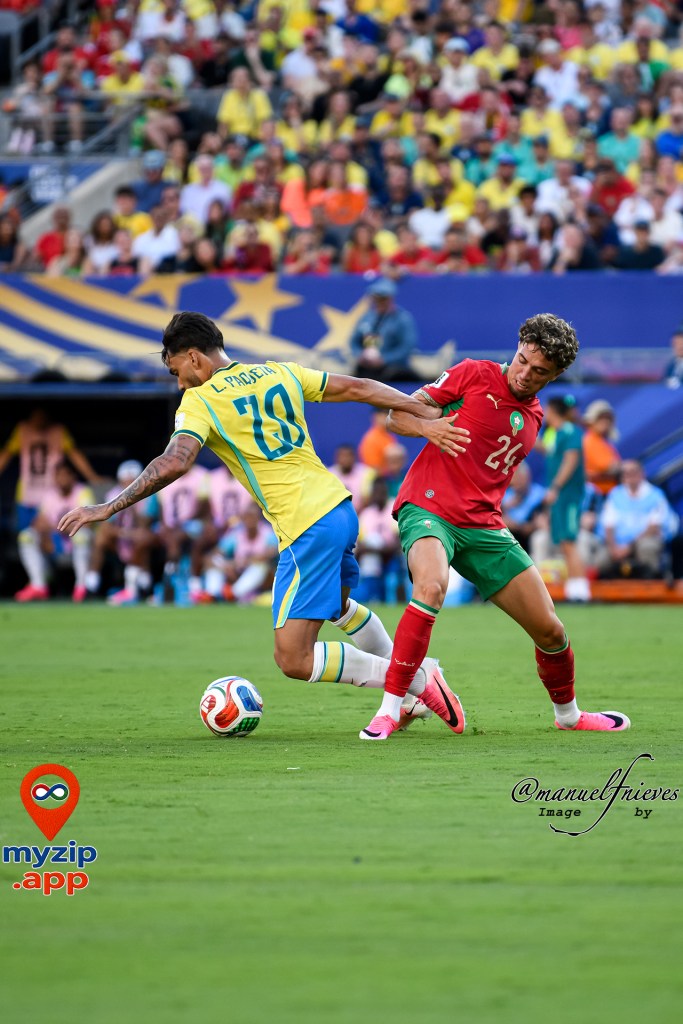
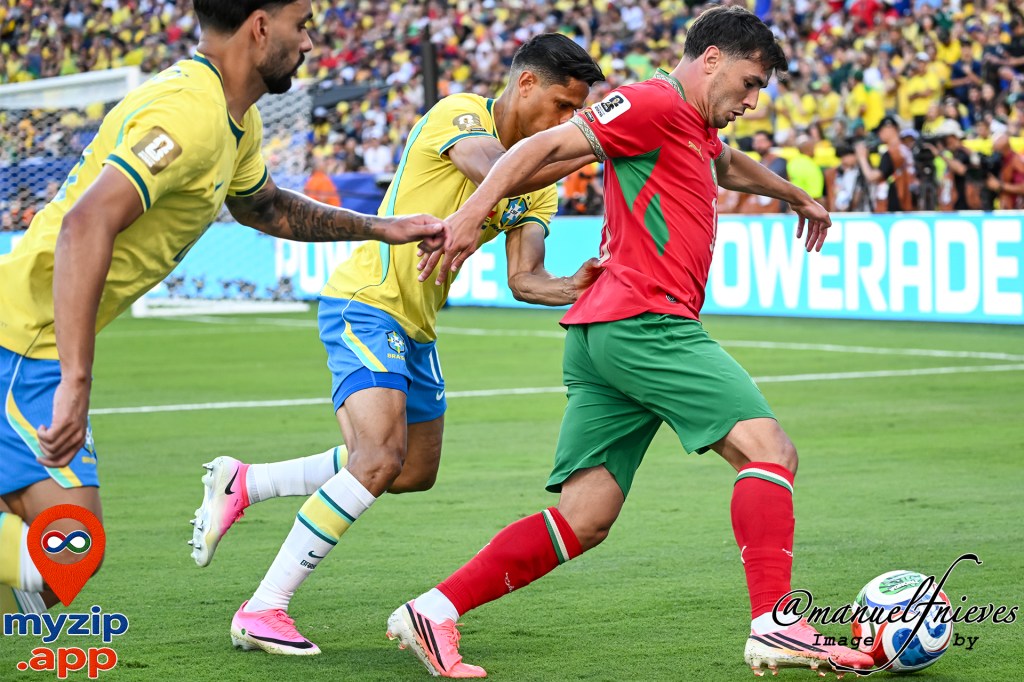
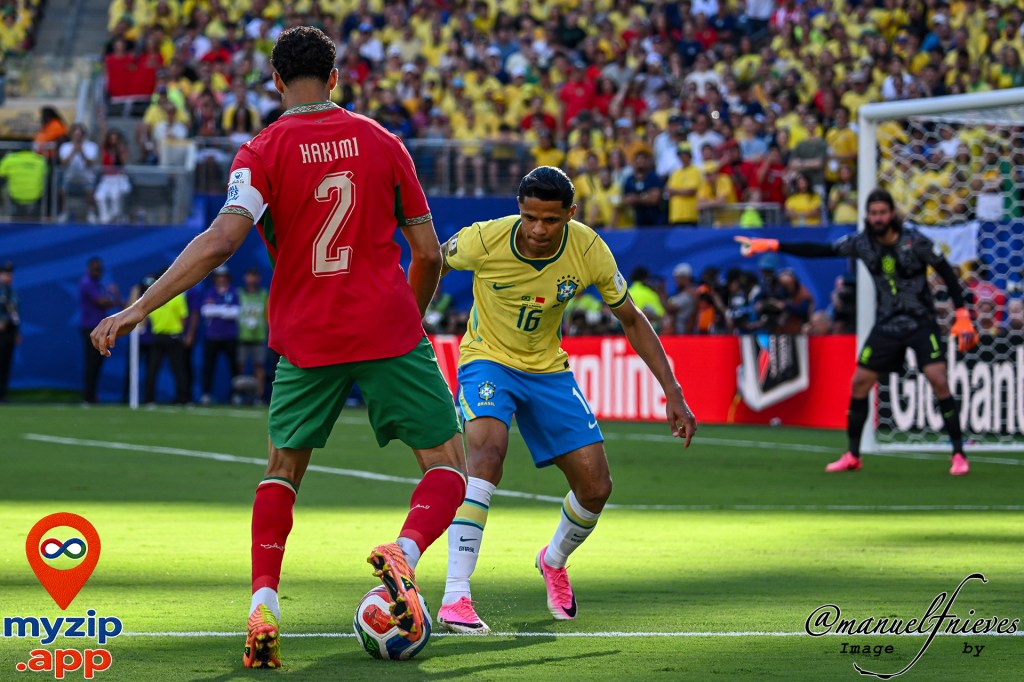
In a hard-fought match from beginning to end, where either team could have walked away with the victory, Brazil and Morocco played to a 1-1 draw in the first FIFA World Cup 2026 match held at MetLife Stadium in New Jersey. In front of more than 80,000 spectators, the stadium witnessed an afternoon filled with intensity, pressure and high-level football.
Before kickoff, the atmosphere seemed to favor Brazil. The stands were largely covered in yellow, creating the feeling of a home-like celebration for the “Canarinha.” But Morocco stepped onto the field with confidence, tactical discipline and an aggressive offensive approach that surprised Brazil during the opening minutes.
Brazil looked uncomfortable at times. The Brazilian defenders were forced to retreat constantly against the movement and speed of Morocco’s attackers and midfielders. Although Brazil managed to contain several dangerous advances, Morocco found its reward in the 21st minute. Ismael Saibari received the ball during a quick counterattack, beat Marquinhos in the run, and, as goalkeeper Alisson Becker came off his line, lifted the ball over him and into the net for the 1-0 lead.
Up to that moment, Morocco had been the better side. It was not just a surprising goal; it was the result of character, organization and ambition. Morocco did not come to the World Cup simply to compete. It came to impose its football. With compact lines, fast transitions and confidence in every challenge, the African side showed why many analysts consider it a team capable of reaching the later stages of the tournament.
Brazil, however, responded quickly. Hurt by the opening goal, the South American giant found in Vinícius Júnior its emotional and football leader. The forward asked for the ball, took responsibility and began to change the rhythm of Brazil’s attack. Ten minutes after Morocco’s goal, Vinícius found space near the edge of the box and fired a precise shot to level the match at 1-1.
The equalizer gave Brazil new life and changed the atmosphere inside the stadium. The Brazilian supporters rose again, although no longer with the same sense of confidence they had before kickoff. Morocco had already sent a clear message: it was not there to resist; it was there to compete face to face. With the score tied 1-1, both teams went into halftime after an intense and emotional first half.
In the second half, the match became more balanced. Brazil had moments of greater possession and tried to impose its individual quality, while Morocco maintained its structure, speed and ability to create danger whenever it moved forward. The tension inside the stadium was clear. Every Brazilian attack lifted the crowd, but every Moroccan response brought concern to fans who understood that the match was far from under control.
From my point of view, Achraf Hakimi was the best player on the field. His physical display, reading of the game, defensive leadership and attacking presence made a major difference for Morocco. However, FIFA selected Vinícius Júnior as the Player of the Match, a decision that is also understandable because of the importance of his goal, his leadership and the energy he gave Brazil after falling behind.
The final result was fair. Brazil showed character by recovering from an early blow, while Morocco confirmed that it can compete against any team in the world. It was an intense, disputed and truly World Cup-level match. There was no absolute dominant side over the 90 minutes, but both teams left a strong impression in their debut.
For me, this match carried a very special meaning. It was my first World Cup match photographing from the field, a goal I had imagined for many years and was finally able to accomplish. My assigned position was different from the one I usually prefer. I was placed in seat 60, close to the center of the field, while my comfort zone as a photographer has always been closer to the sides of the goal, where I normally capture the emotion of goals and decisive plays.
But a World Cup is not about comfort. It is about working from the assigned position, adapting to the conditions and fulfilling the responsibility of telling the story. That was also part of the experience: adjusting, seeing the game from a different angle, finding new perspectives and understanding that simply being there was already part of a goal achieved.
Photographing this Brazil vs. Morocco match at MetLife Stadium was much more than covering a game. It was experiencing the greatness of a FIFA World Cup from the inside, feeling the pressure of the moment, hearing more than 80,000 people react to every play and knowing that every frame captured by the camera was part of both a professional assignment and a personal story.
A goal accomplished. Thank you to my followers, Noticiero Universo and everyone who supports and sponsors my work.


Share your thoughts