
Brasil 1-2 Noruega | Copa Mundial de la FIFA 2026 | Octavos de final
Estadio: MetLife Stadium, New Jersey | Asistencia: alrededor de 80,600 personas
Árbitro: Ismail Elfath
Goles: Neymar 90+10’ penal / Erling Haaland 79’, 90’
Cámaras: Nikon D850, Nikon Z8 | Lentes: Nikkor 24-70mm, Nikkor 70-200mm, Nikkor 400mm
Texto e imágenes: Manuel F. Nieves, Photojournalist
En un Mundial atípico, el primero con 48 selecciones y disputado en tres países, no podían faltar las sorpresas, las controversias y los resultados inesperados. Pero pocas caídas tuvieron el peso emocional de la derrota de Brasil ante Noruega en el MetLife Stadium. La Canarinha, rodeada de figuras, historia y expectativas, quedó eliminada en los octavos de final tras perder 2-1 frente a un equipo noruego que jugó con orden, paciencia y una convicción admirable.
Para muchos, Brasil era favorito. Tenía nombres de talla mundial como Vinícius Junior, Neymar, Bruno Guimarães, Gabriel Martinelli, Marquinhos, Casemiro y Alisson. Noruega, en cambio, parecía llegar marcada por una idea repetida antes del partido: Erling Haaland y diez más. Pero en la cancha la historia fue muy diferente. Noruega no fue solamente Haaland. Fue un equipo entero compitiendo cada pelota como si fuera la última oportunidad de su vida.
Desde el inicio se notó que el equipo europeo tenía un plan claro. Noruega no salió a esperar resignada ni a defenderse con temor. Mantuvo el orden táctico, presionó cuando debía hacerlo y le disputó el balón a Brasil con más ímpetu. Incluso avisó primero con una acción que terminó anulada por posición adelantada. Esa jugada fue una señal temprana de que los noruegos no estaban en New Jersey para ser espectadores de la grandeza brasileña, sino para desafiarla.
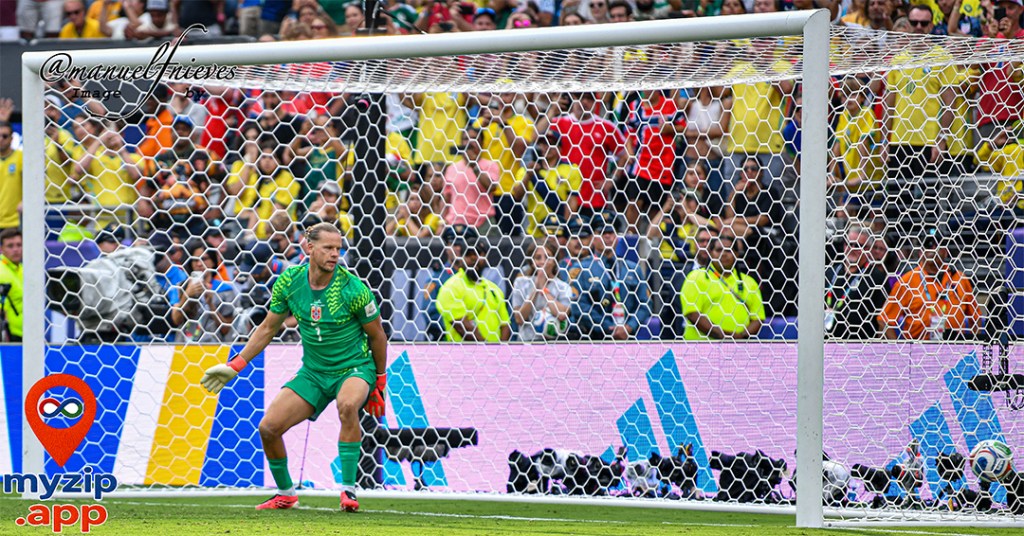
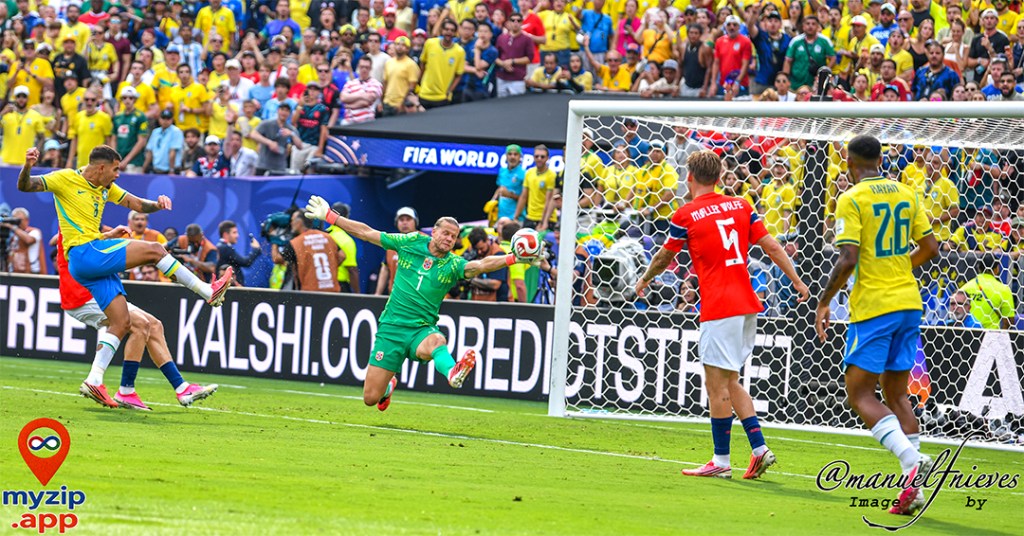
Brasil respondió y tuvo una ocasión inmejorable antes del primer cuarto de hora. Kristoffer Ajer cometió una falta sobre Matheus Cunha y, tras revisión del VAR, el árbitro Ismail Elfath sancionó penal. Vinícius Junior tomó inicialmente el balón adidas TRIONDA, pero luego lo cedió a Bruno Guimarães. El mediocampista brasileño remató, pero Ørjan Nyland se lanzó abajo hacia su izquierda y sostuvo a Noruega con una atajada firme.
Aquel penal fallado comenzó a alimentar una sensación incómoda para Brasil. El equipo sudamericano tenía talento, llegaba al área y generaba peligro, pero no encontraba contundencia. Nyland, quien según el reporte de FIFA fue jugador de balonmano en su juventud, volvió a ser decisivo con sus piernas para negar primero a Gabriel Martinelli y luego a Vinícius Junior. El descanso llegó sin goles, pero con un mensaje claro: Noruega resistía con seguridad y Brasil empezaba a sentir el peso de sus oportunidades perdidas.
En el segundo tiempo se esperaba que Brasil saliera con otra autoridad, como un gigante obligado a imponer respeto. Sin embargo, Noruega no perdió ni el orden ni la paciencia. Antonio Nusa, una de sus amenazas creativas, salió al descanso, pero el equipo no se descompuso. Al contrario, el ingreso de Andreas Schjelderup terminaría siendo decisivo para cambiar el destino del partido.
Brasil también movió sus piezas. Endrick ingresó por Matheus Cunha y tuvo una ocasión clarísima apenas segundos después de entrar al campo. Vinícius Junior le filtró un pase quirúrgico y el joven delantero quedó frente al arco, pero su primer control fue largo y el disparo terminó desviado. Fue una de esas jugadas que no solo se fallan en el marcador, sino también en el ánimo. Brasil sintió el golpe. La ansiedad comenzó a crecer y la claridad se fue apagando.
Desde mi perspectiva, Brasil necesitaba a Neymar mucho antes. El equipo ya venía mostrando dificultades para encontrar buen fútbol y necesitaba una presencia distinta en la delantera, alguien capaz de cambiar el ritmo emocional del partido. Pero cuando Neymar ingresó, ya el ambiente brasileño parecía contaminado por la frustración colectiva. No era fácil descifrar el camino para hacer daño a una defensa noruega que se mantuvo compacta, solidaria y fuerte en cada duelo.
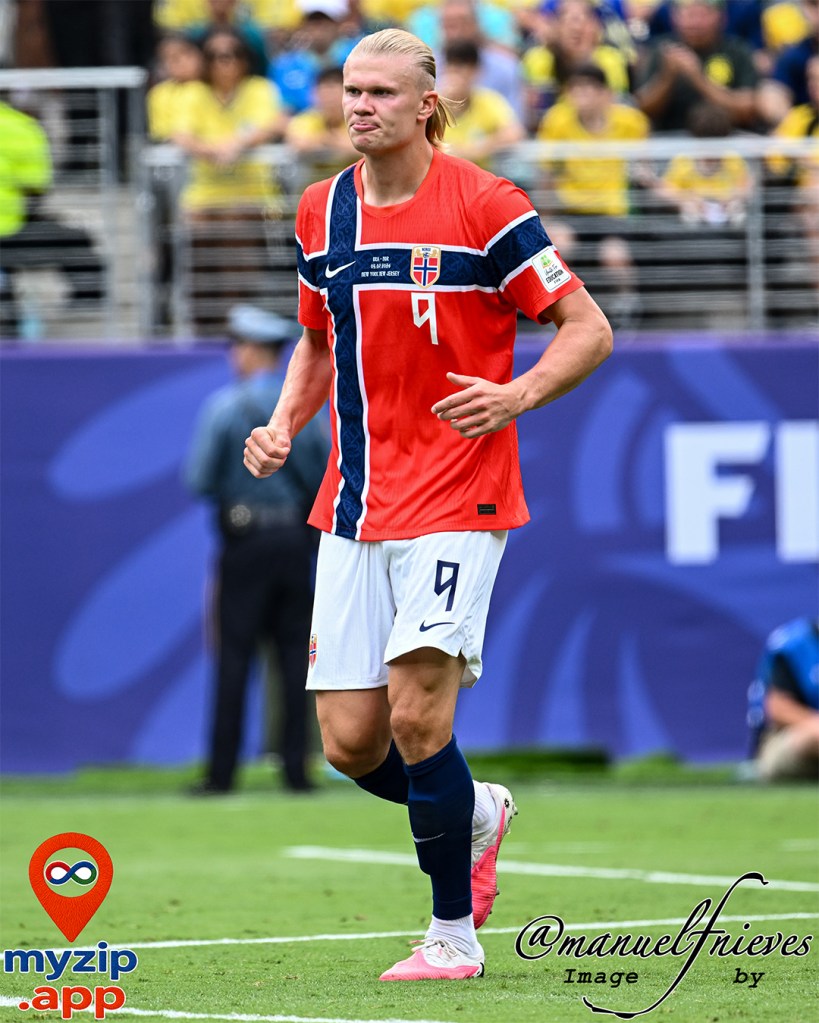
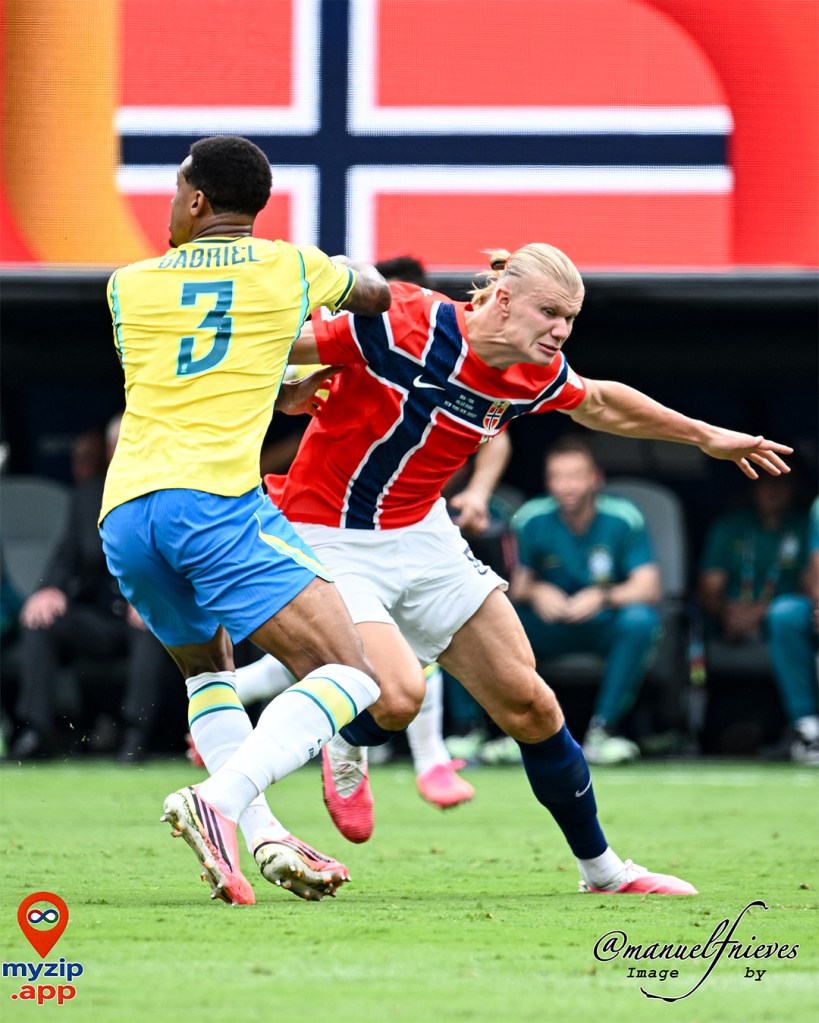
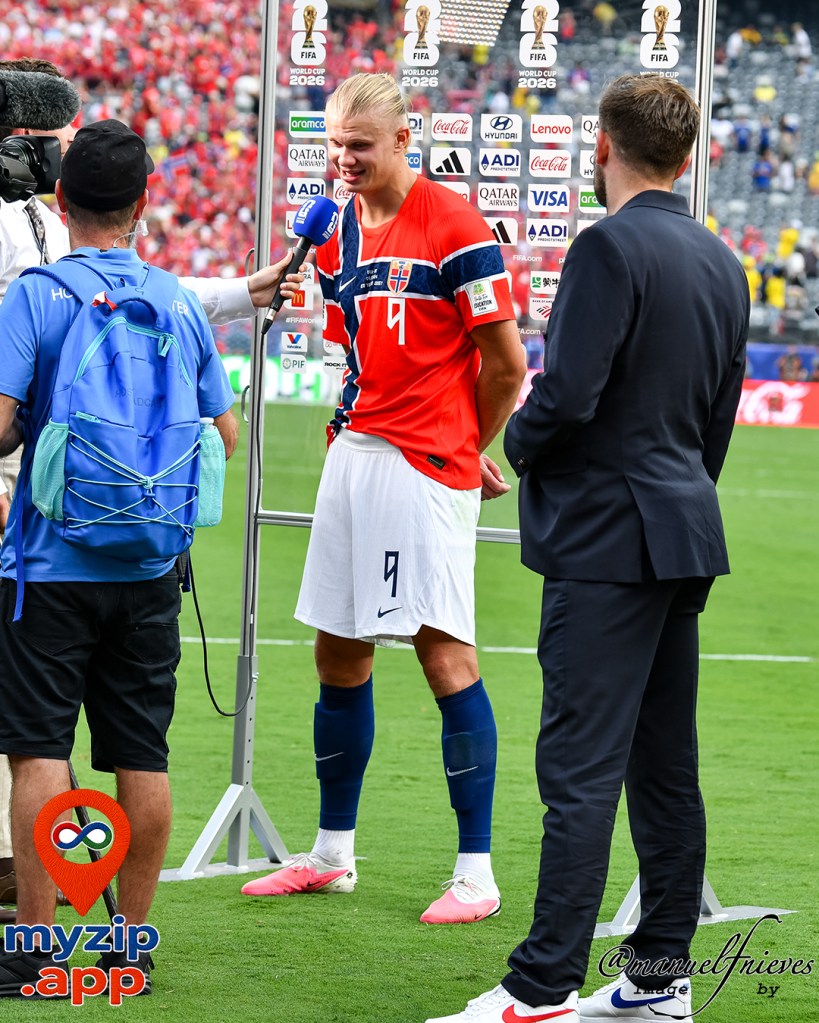
Noruega, mientras tanto, jugaba como un equipo convencido. Sus jugadores disputaban cada pelota como guerreros vikingos defendiendo un territorio. Haaland, lejos de desesperarse, parecía entender perfectamente su papel. Durante muchos minutos caminó, esperó, se movió con perfil bajo alrededor del área y también bajó a defender en jugadas de pelota parada. No necesitaba tocar demasiado el balón. Solo necesitaba el momento correcto.
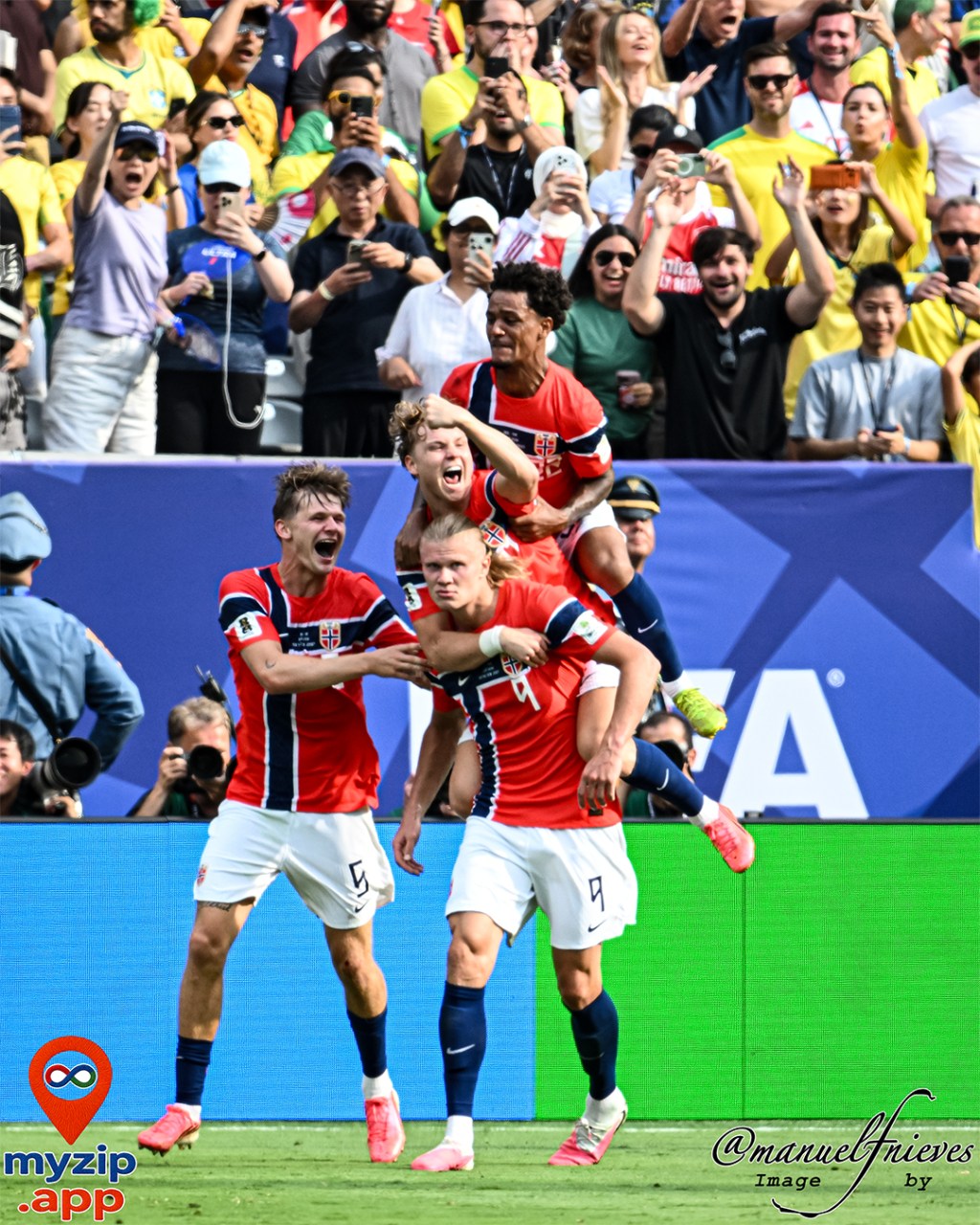
Ese momento llegó al minuto 79. Tras una secuencia colectiva de siete pases, Schjelderup escapó por la izquierda y levantó un centro perfecto al área. Haaland apareció con la frialdad de los grandes goleadores: aceleró unos pasos, atacó el espacio y conectó de cabeza hacia abajo para vencer a Alisson. El MetLife Stadium quedó partido en dos emociones. De un lado, la explosión noruega. Del otro, el lamento de miles de fanáticos brasileños vestidos de amarillo.
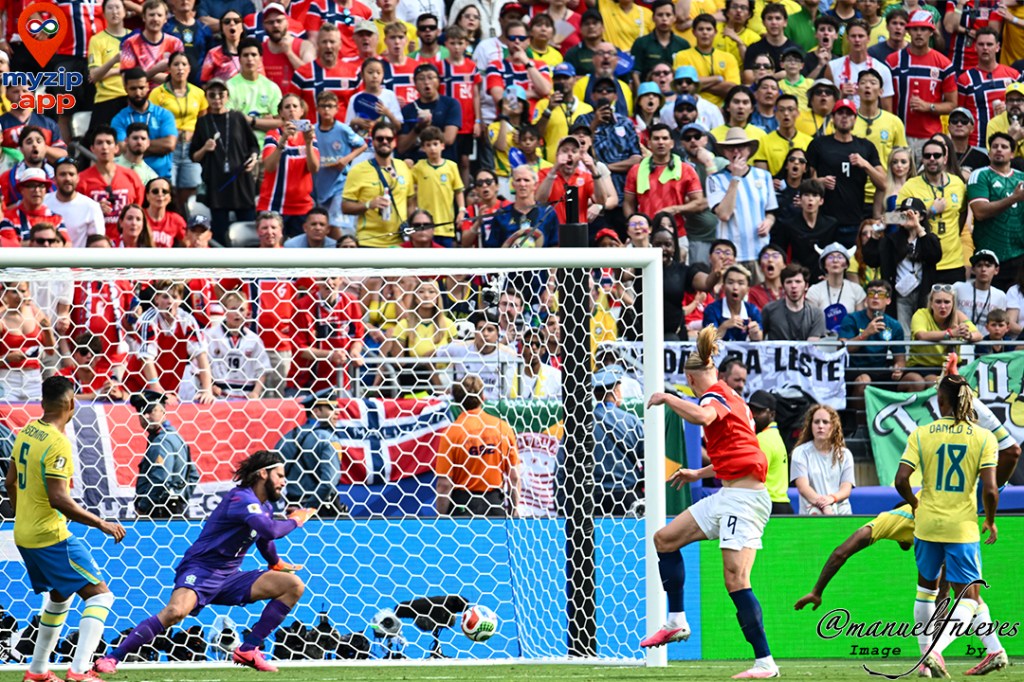
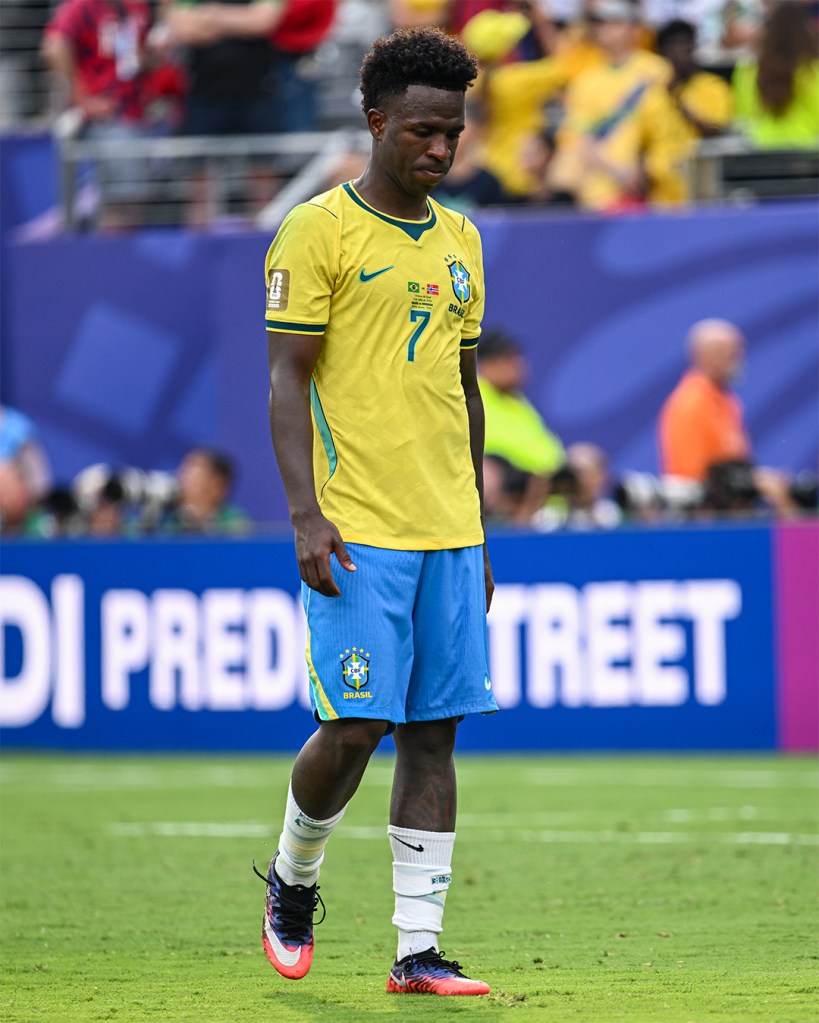
Después del primer gol, todos esperaban una reacción brasileña rápida, poderosa, casi desesperada. Pero Brasil quedó golpeado. Vinícius Junior, Neymar y compañía parecían impactados por la realidad del marcador. La respuesta fue más de impotencia que de fútbol. Noruega, en cambio, mantuvo la serenidad y volvió a castigar al minuto 90. Haaland recibió con espacio, remató entre las piernas de Danilo y superó a un Alisson que se lanzó sin poder evitar el segundo gol.
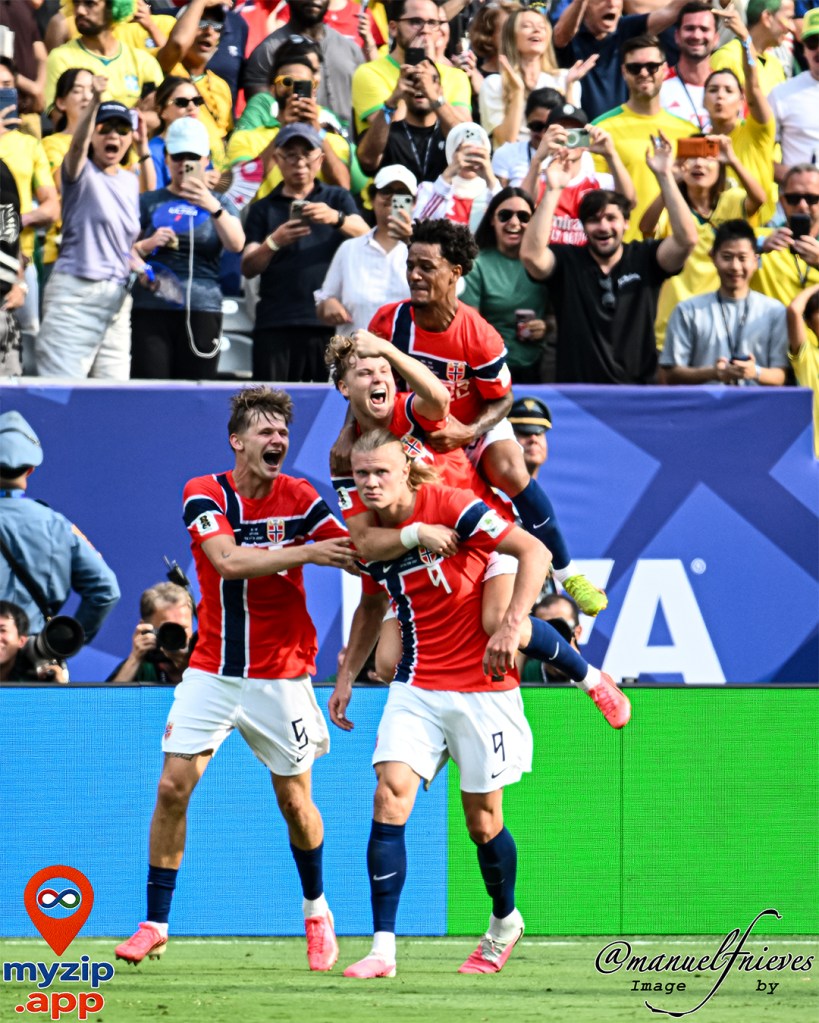
El tanto desató una celebración inmensa entre los seguidores noruegos. Haaland, que ya había marcado su sexto gol del torneo, llegó al séptimo y se puso al nivel de Kylian Mbappé y Lionel Messi en la lucha por la Bota de Oro adidas. Pero más allá de la estadística individual, sus dos goles significaron algo mucho más grande: Noruega avanzaba a cuartos de final por primera vez y Brasil quedaba eliminado en su salida más temprana de una Copa Mundial desde 1990.
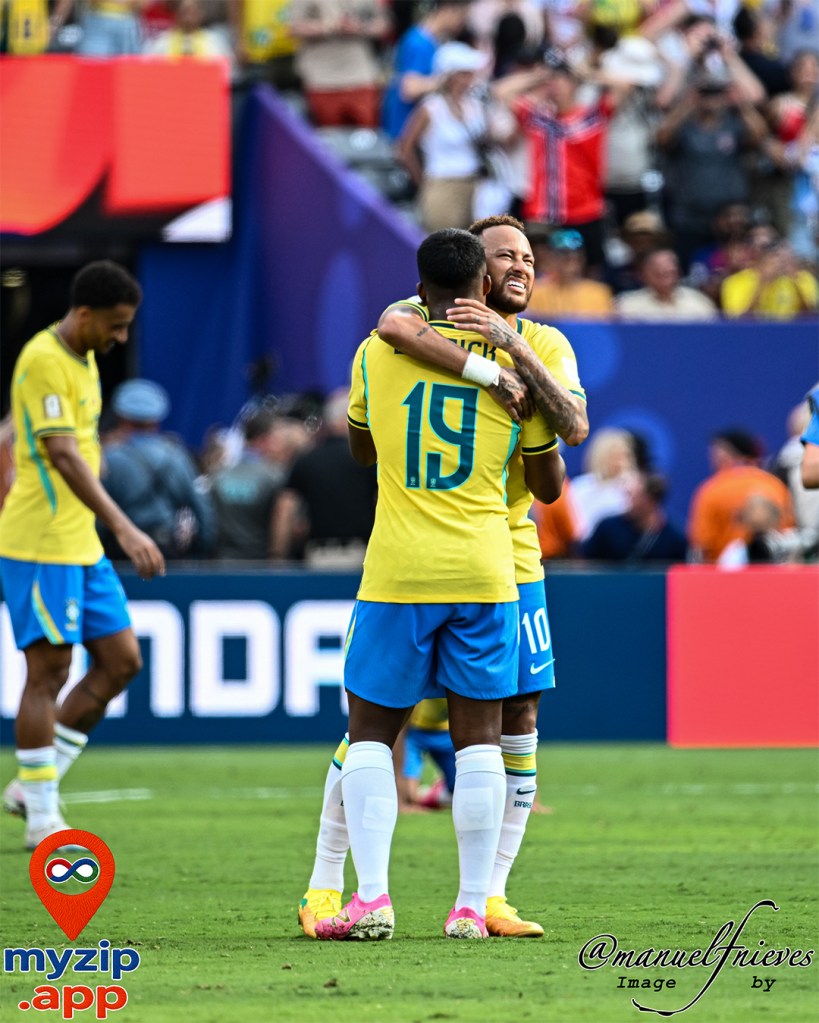
Brasil logró descontar en el minuto 90+10 con un penal convertido por Neymar. Fue un gol cargado de simbolismo, pero sin tiempo para cambiar la historia. El marcador final, Brasil 1-2 Noruega, dejó una sensación dolorosa para la Canarinha. No fue una derrota cualquiera. Fue la caída de un equipo que parecía jugar más por el peso de su nombre que por la fuerza de su presente.
Al final quedó la imagen de dos realidades opuestas. Noruega fue un equipo seguro de su plan, unido, sacrificado y mentalmente fuerte. Brasil, en cambio, mostró dudas, cansancio físico, falta de reacción y una tristeza que se reflejaba en los rostros de sus jugadores. En varios momentos pareció una “crónica de muerte anunciada”: una selección cargando desde antes con el peso de sus eliminatorias, de sus críticas y de una expectativa demasiado grande.
La escena más dolorosa llegó después del pitazo final. Neymar dejó caer su cuerpo sobre el césped. Sentado, abatido y visiblemente golpeado, parecía cargar con algo más que una eliminación. Tal vez era el dolor de sentir que este pudo haber sido uno de sus últimos capítulos con Brasil en una Copa del Mundo. Durante el torneo se lo vio muchas veces solitario, pensativo, lejos de aquel Neymar de años anteriores que era líder en la cancha y también en la banca, rodeado de compañeros, enojado o sonriente, pero siempre viviendo el juego con intensidad.
Mi misión fotográfica antes del partido era clara: enfocarme en tres jugadores y, sobre todo, esperar al menos un gol de Neymar para retratar su grito, su desahogo y quizás una imagen histórica. Pero el fútbol, como la fotografía, muchas veces te obliga a cambiar el enfoque. La historia empezó a moverse hacia otro lado. Cada disparo de mi cámara fue captando la lucha de Noruega, el sacrificio en cada pulgada de la cancha y la impotencia brasileña de querer y no poder.
También me dejé contagiar por la celebración de los vikingos, por ese “Ro, ro, ro” que bajaba desde las tribunas con fuerza y alegría. Pero cuando abandoné la cancha, lo hice con una mezcla de admiración y tristeza. Admiración por Haaland y por una Noruega que jugó con orden, valentía y buen fútbol. Tristeza por Neymar y por Brasil, porque quienes amamos este deporte también sentimos cuando una gran figura y una gran camiseta se despiden entre lágrimas.
Como fotógrafo y como alguien que disfruta el fútbol bien jugado, me fui convencido de que esa tarde en New Jersey vi dos historias cruzarse. Una, la de Brasil, marcada por el dolor, la frustración y las preguntas. La otra, la de Noruega, llena de alegría, fe y futuro. No sé qué le espera a Neymar con su selección, pero sí estoy seguro de que Haaland apenas está comenzando a escribir su gran historia mundialista. En este Mundial, los vikingos ya hicieron ruido. Y su capitán ofensivo parece listo para seguir golpeando cuando el mundo esté mirando.
Between Brazilian Tears and Viking Joy: Norway Stuns Brazil with Haaland’s Signature
Brazil 1-2 Norway | FIFA World Cup 2026 | Round of 16
Venue: MetLife Stadium, New Jersey | Attendance: around 80,600 fans
Referee: Ismail Elfath
Goals: Neymar 90+10’ pen / Erling Haaland 79’, 90’
Cameras: Nikon D850, Nikon Z8 | Lenses: Nikkor 24-70mm, Nikkor 70-200mm, Nikkor 400mm
Text and Images: Manuel F. Nieves, Photojournalist
In an unusual World Cup, the first with 48 national teams and played across three countries, surprises, controversies, and unexpected results were always going to be part of the story. But few shocks carried the emotional weight of Brazil’s 2-1 defeat to Norway at MetLife Stadium. The Seleção arrived with history, talent, and expectation on their shoulders, but left New York New Jersey eliminated in the Round of 16 by a Norwegian side that played with order, patience, and extraordinary conviction.
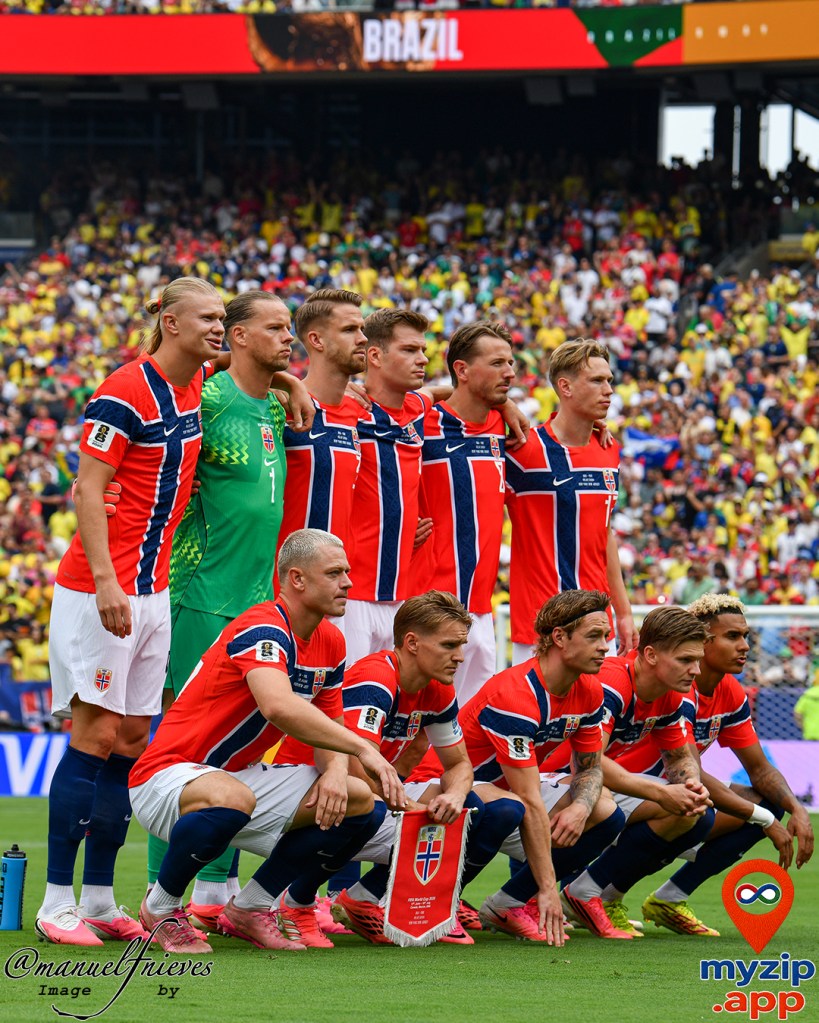
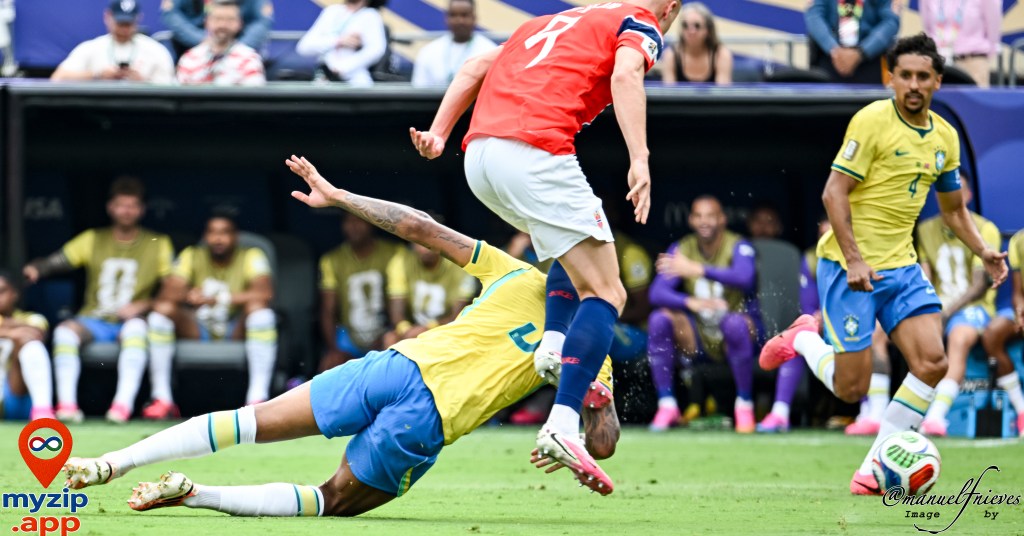
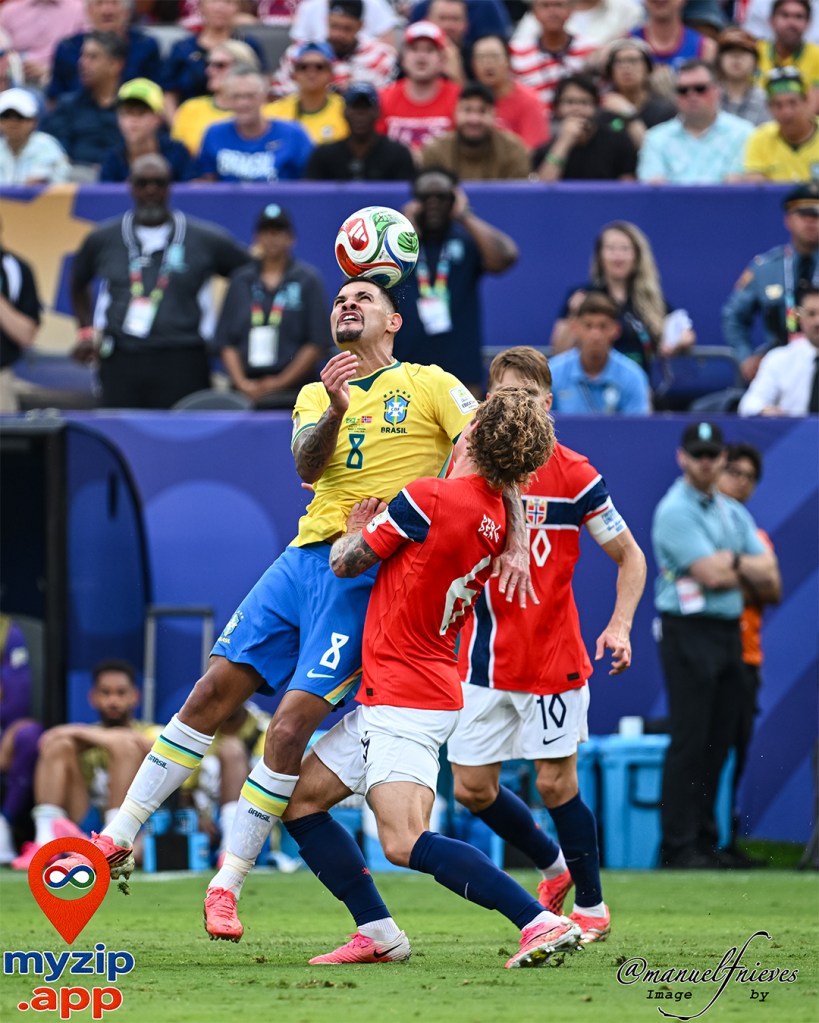
For many fans and analysts, Brazil entered the match as the favorite. With world-class names such as Vinicius Junior, Neymar, Bruno Guimaraes, Gabriel Martinelli, Marquinhos, Casemiro, and Alisson, the South American giant seemed built for a deeper run. Norway, on the other hand, was often described before the match as Erling Haaland and ten more players. On the field, however, the story was very different. Norway was not only Haaland. Norway was a team of fighters, a group that challenged every ball as if it were defending its own territory.
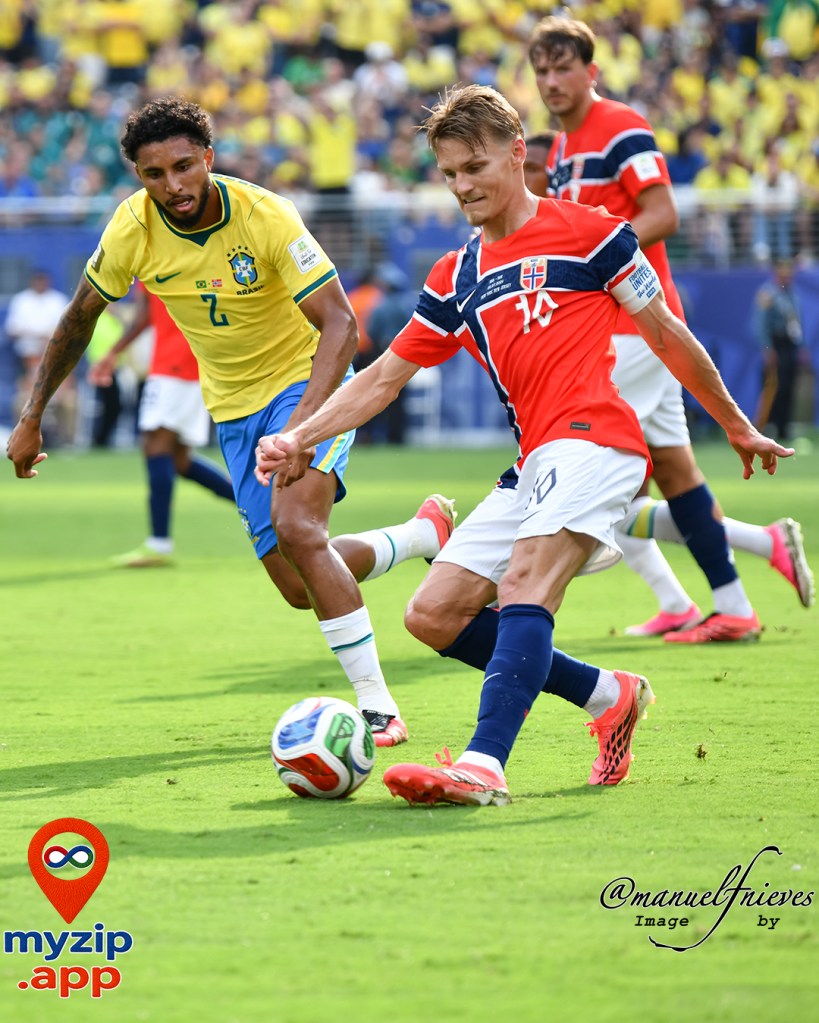
From the opening minutes, it was clear that the European side had a plan. Norway did not sit back with fear or wait for Brazil to impose its history. They stayed compact, pressed with purpose, and competed with greater urgency. They even gave Brazil the first warning with an attacking move that was later ruled out for offside. That early moment sent a message: Norway had not come to New Jersey to admire Brazil; it had come to challenge them.
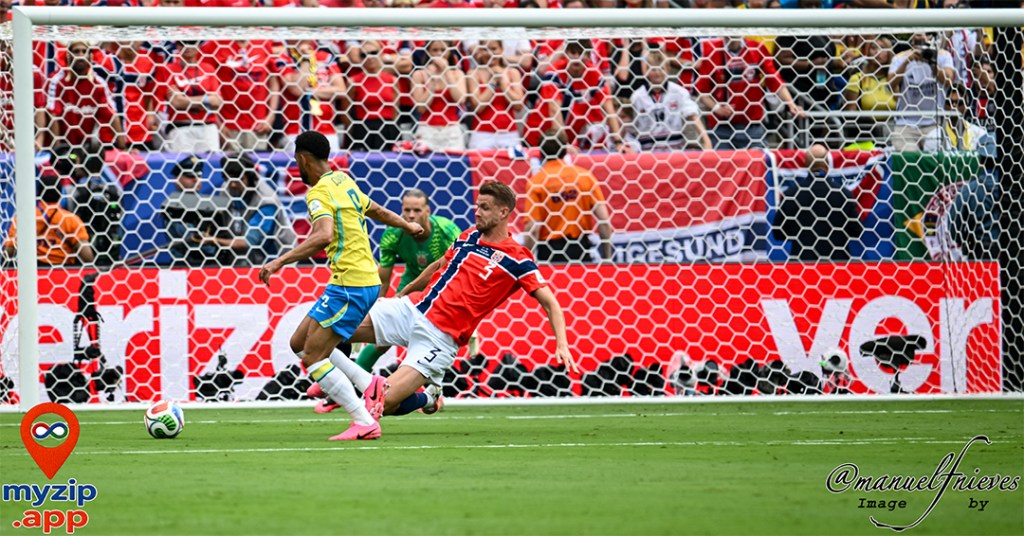
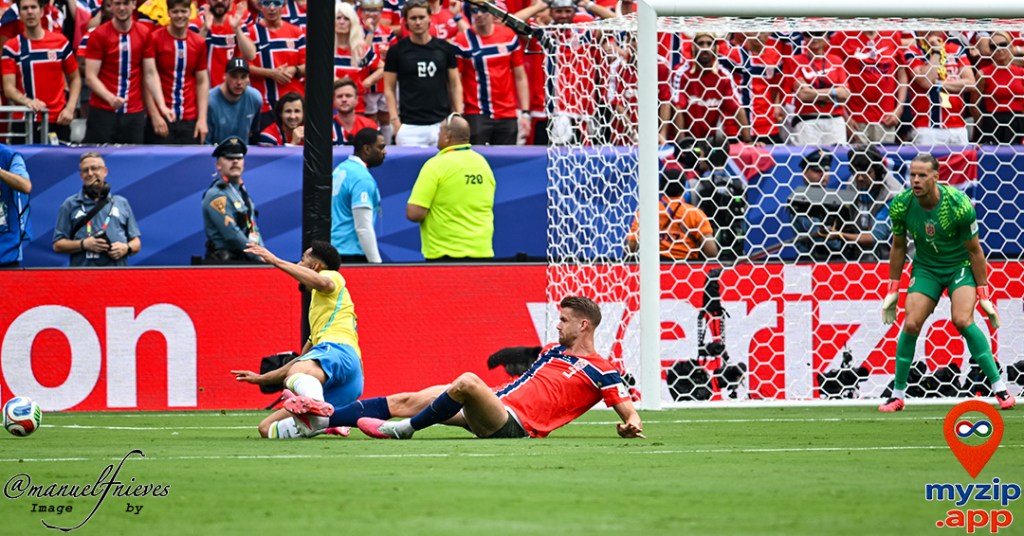
Brazil responded and had a golden chance before the quarter-hour mark. Kristoffer Ajer mistimed a challenge on Matheus Cunha and, after a VAR review, referee Ismail Elfath awarded a penalty. Vinicius Junior initially held the adidas TRIONDA ball before handing it to Bruno Guimaraes, whose low shot was denied by Orjan Nyland. The Norwegian goalkeeper went down to his left with firm hands and kept the match scoreless.
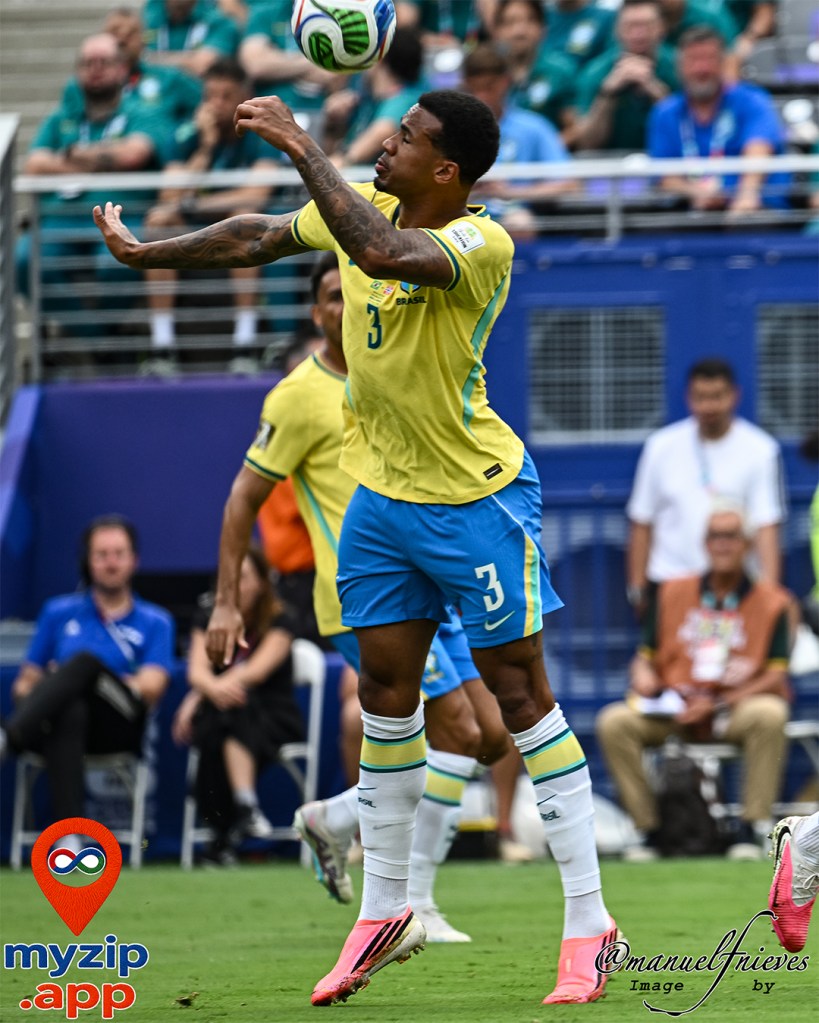
That missed penalty began to feed an uncomfortable feeling for Brazil. The Seleção created danger and reached the final third, but the finishing touch was missing. Nyland, who according to FIFA’s report had been a handball player in his youth, became decisive again — this time with his legs — denying first Gabriel Martinelli and then Vinicius Junior. The first half ended 0-0, but the message was clear: Norway was standing strong, and Brazil was beginning to feel the weight of its missed opportunities.
After the break, many expected Brazil to return with more authority, as a giant forced to impose respect. Instead, Norway kept its shape and its patience. Antonio Nusa, one of Norway’s main creative threats, was withdrawn at halftime, but the team did not lose structure. In fact, his replacement, Andreas Schjelderup, would later become one of the key figures of the night.
Brazil also made changes. Endrick came on for Matheus Cunha and almost changed the match immediately. Just 52 seconds after entering, the teenage forward was sent through on goal by a surgical pass from Vinicius Junior. But his first touch was heavy, and his shot went wide. It was the kind of chance that does more than stay off the scoreboard — it damages the spirit of a team. Brazil felt the blow. Anxiety grew, and clarity began to disappear.
From my perspective, Brazil needed Neymar much earlier. The team had already been struggling to produce good football, and it needed a different presence in attack, someone capable of changing not only the rhythm of play but also the emotional tone of the match. But when Neymar entered, the Brazilian mood already seemed infected by frustration. It was not easy to find a way through a Norwegian defense that remained compact, disciplined, and strong in every duel.
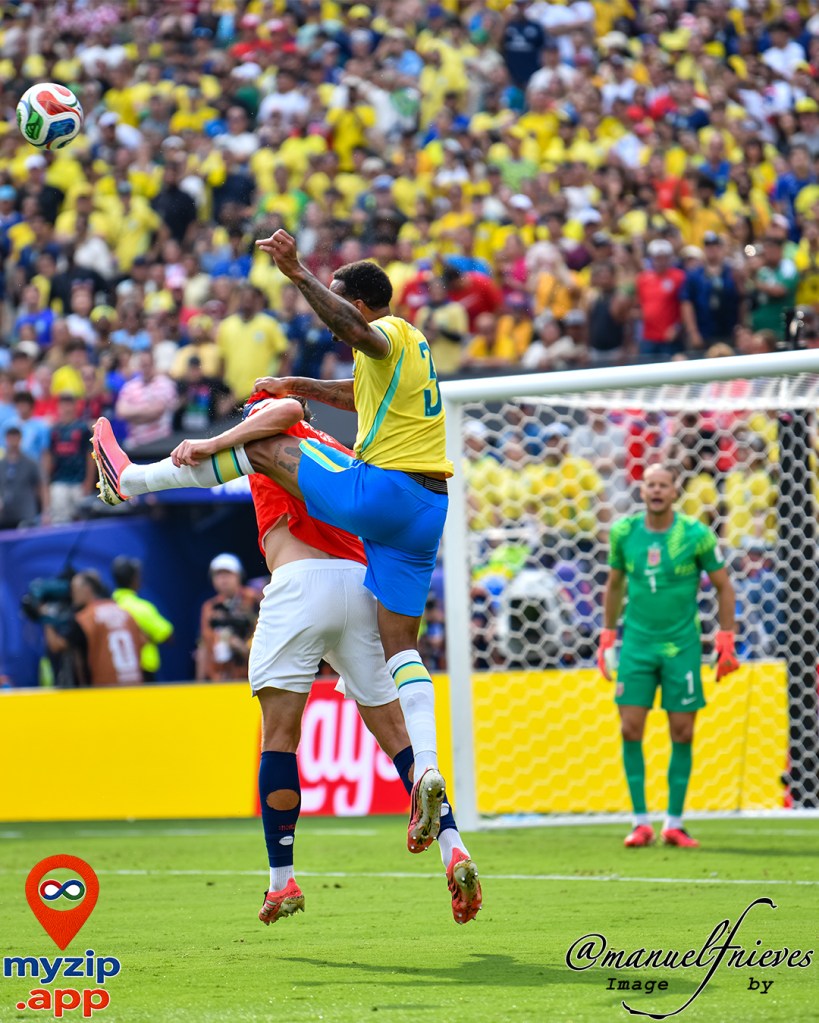
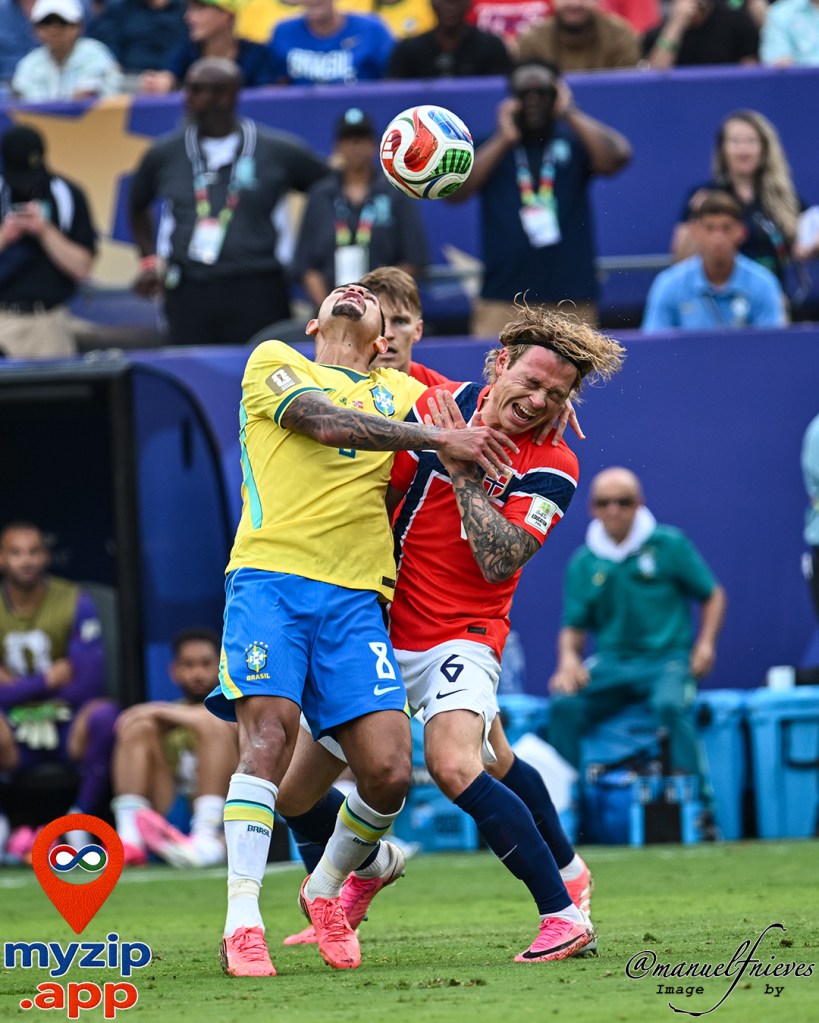
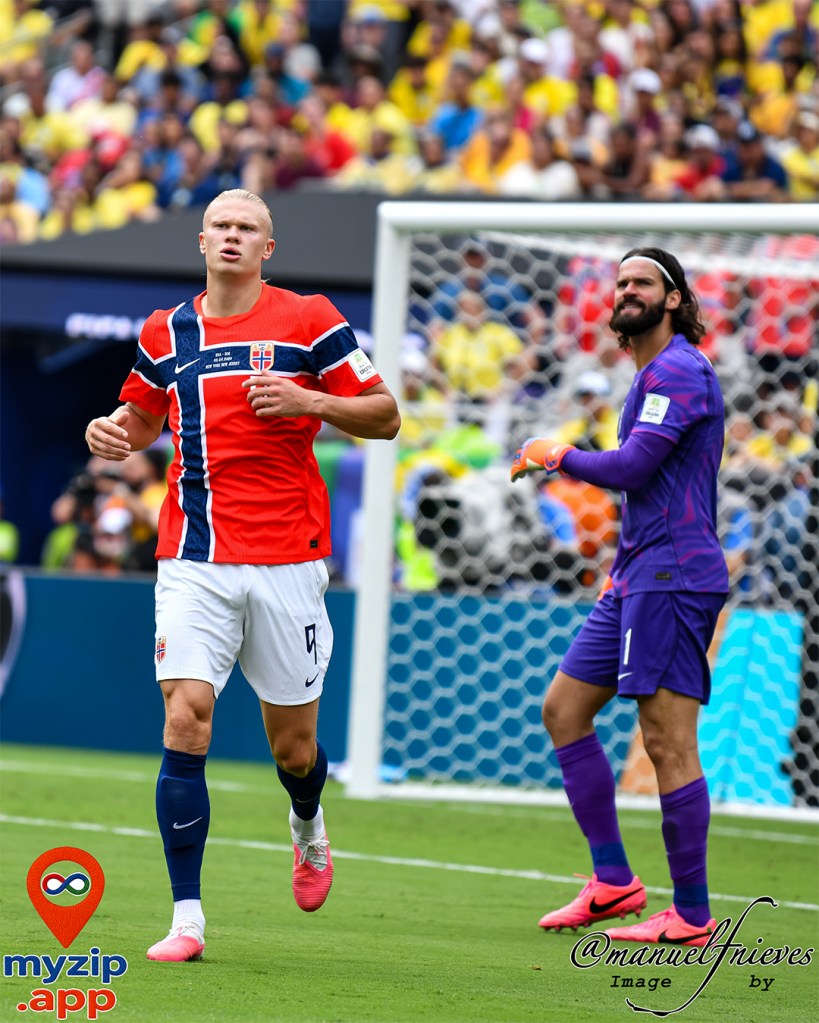
Norway, meanwhile, played like a team that believed completely in its plan. Its players battled for every ball like Viking warriors fighting for every inch of ground. Haaland did not look desperate. He understood his role. For long stretches, he walked, waited, moved quietly around the box, and even dropped back to defend set pieces. He did not need many touches. He only needed the right moment.
That moment arrived in the 79th minute. After a slick seven-pass sequence, Schjelderup broke free down the left and delivered the perfect cross into the box. Haaland appeared with the cold precision of a world-class finisher: a few quick steps forward, a powerful downward header, and the ball was past Alisson. MetLife Stadium split into two emotions. On one side, Norwegian joy exploded. On the other, thousands of Brazilian fans in yellow released a sound closer to disbelief than silence.
After Norway’s first goal, everyone expected a fast and overwhelming Brazilian reaction. But Brazil looked shaken. Vinicius Junior, Neymar, and the rest of the team appeared stunned by the reality of the score. Their response was more frustration than football. Norway, by contrast, remained calm and struck again in the 90th minute. Haaland received the ball with space, fired through the legs of Danilo, and beat a diving Alisson to make it 2-0.
The second goal unleashed wild celebrations among Norway’s supporters. Haaland, who had already scored his sixth goal of the tournament, reached his seventh and moved level with Kylian Mbappe and Lionel Messi in the race for the adidas Golden Boot. But beyond the individual statistic, his goals meant something much larger: Norway was heading to the quarter-finals for the first time, while Brazil was facing its earliest World Cup exit since 1990.
Brazil pulled one back in the 90+10th minute through a Neymar penalty. It was a goal loaded with symbolism, but there was no time left to rewrite the match. The final score, Brazil 1-2 Norway, left a painful feeling for the Canarinha. This was not just another defeat. It was the fall of a team that seemed to play under the weight of its name rather than the strength of its present.
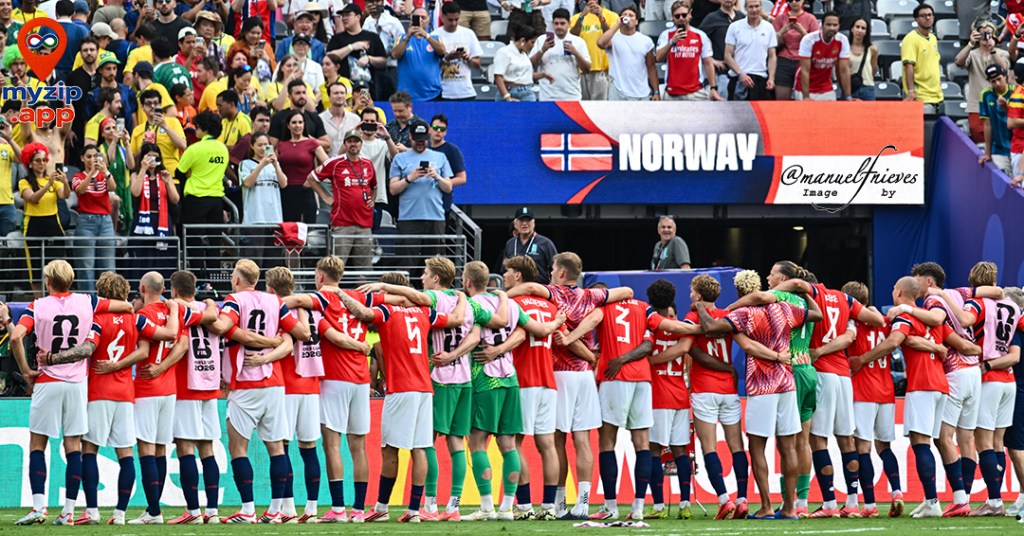
At the end, the match left the image of two opposite realities. Norway was confident, united, disciplined, and mentally strong. Brazil showed doubt, physical decline, a lack of reaction, and a sadness reflected on the faces of its players. At times, it felt like a “chronicle of a death foretold,” a team carrying the burden of criticism, expectations, and an identity it could not fully defend on the field.
The most painful scene came after the final whistle. Neymar let his body fall onto the grass. Sitting there, devastated and visibly broken by the elimination, he seemed to carry more than just Brazil’s defeat. Perhaps he was feeling the weight of what could be one of his final World Cup chapters with the national team. During the tournament, he often looked isolated, thoughtful, and distant from the Neymar of previous years — the leader on the field, the emotional figure on the bench, surrounded by teammates, angry or smiling, but always living every minute with intensity.
My photographic mission before the match was clear: focus on three players and, above all, wait for at least one Neymar goal to capture his scream, his release, and perhaps an image for history. But football, like photography, often forces you to change your focus. The story began to move in another direction. Every frame from my camera started to capture Norway’s fight, its sacrifice in every inch of the pitch, and Brazil’s helplessness — the pain of wanting to respond and not being able to do so.
I also let myself be carried by the Viking celebration, by that “Ro, ro, ro” chant coming down from the stands with strength and joy. But when I left the field, I did so with a mixture of admiration and sadness. Admiration for Haaland and for a Norway team that played with order, courage, and good football. Sadness for Neymar and Brazil, because those of us who love this sport also feel the pain when a great player and a great jersey leave the World Cup in tears.
As a photographer and as someone who enjoys football played well, I left convinced that I had witnessed two stories crossing paths in New Jersey. One was Brazil’s story, marked by pain, frustration, and unanswered questions. The other was Norway’s story, full of joy, belief, and future. I do not know what awaits Neymar with his national team, but I am sure that Haaland is only beginning to write his great World Cup story. In this tournament, the Vikings have already made noise. And their attacking leader looks ready to keep striking whenever the world is watching.




Share your thoughts