
DATOS DEL PARTIDO Y CRÉDITOS
Estadio: Sports Illustrated Stadium, Harrison, Nueva Jersey
Fecha: 24 de octubre de 2026 · 5:30 p. m.
Asistencia: Más de 25.000 espectadores
Marcador final: NY Red Bulls 2–0 Inter Miami
Cámaras: Nikon Z8 y Nikon D850
Lentes: Nikkor 400 mm y Nikkor 70–200 mm
Texto y fotografías: Manuel F. Nieves · Fotoperiodista
Medio de acreditación: Noticiero Universo
Con el apoyo de: MyZip.app · Cartas, stickers y artículos de colección
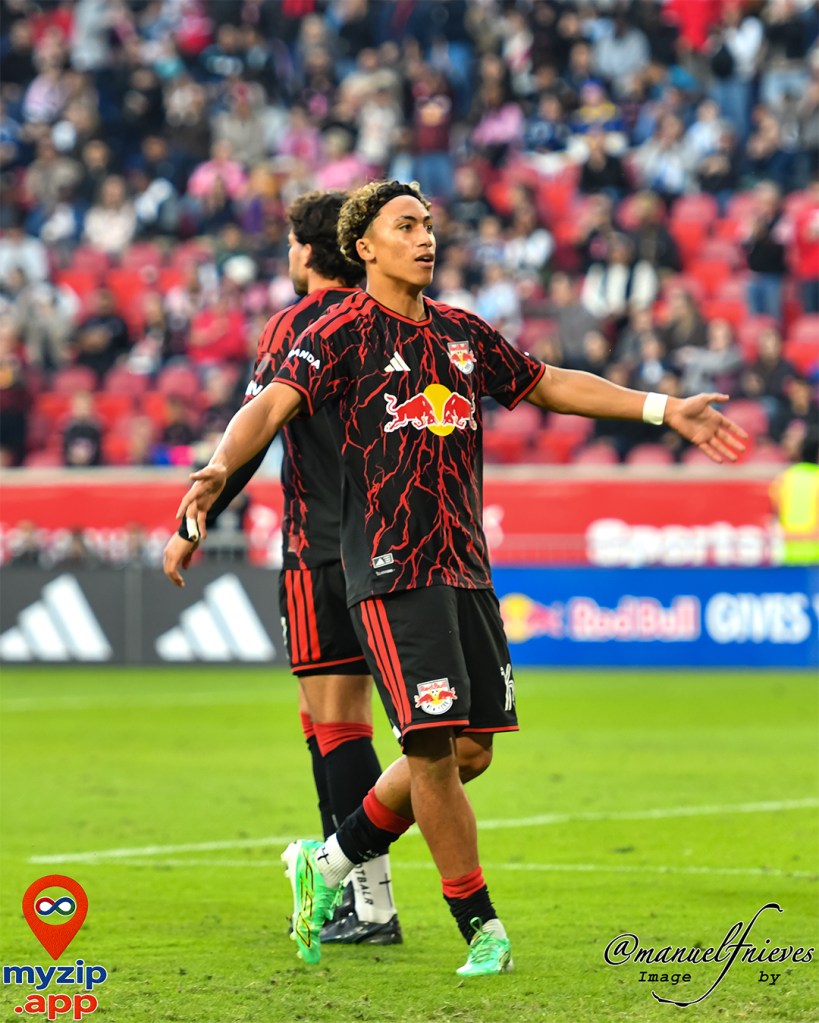
Fue una tarde de alegría y esperanza para los hinchas de New York Red Bulls. El triunfo 2-0 sobre Inter Miami en el Sports Illustrated Stadium de Harrison, Nueva Jersey, alimentó sus aspiraciones de llegar a los playoffs y dejó una de las actuaciones más convincentes del equipo en esta temporada.
Los taurinos entendieron la urgencia del encuentro: estos tres puntos tenían que quedarse en casa. Desde el borde de la cancha se percibía un equipo decidido, intenso en las disputas y dispuesto a atacar sin dejarse intimidar por los nombres del rival.
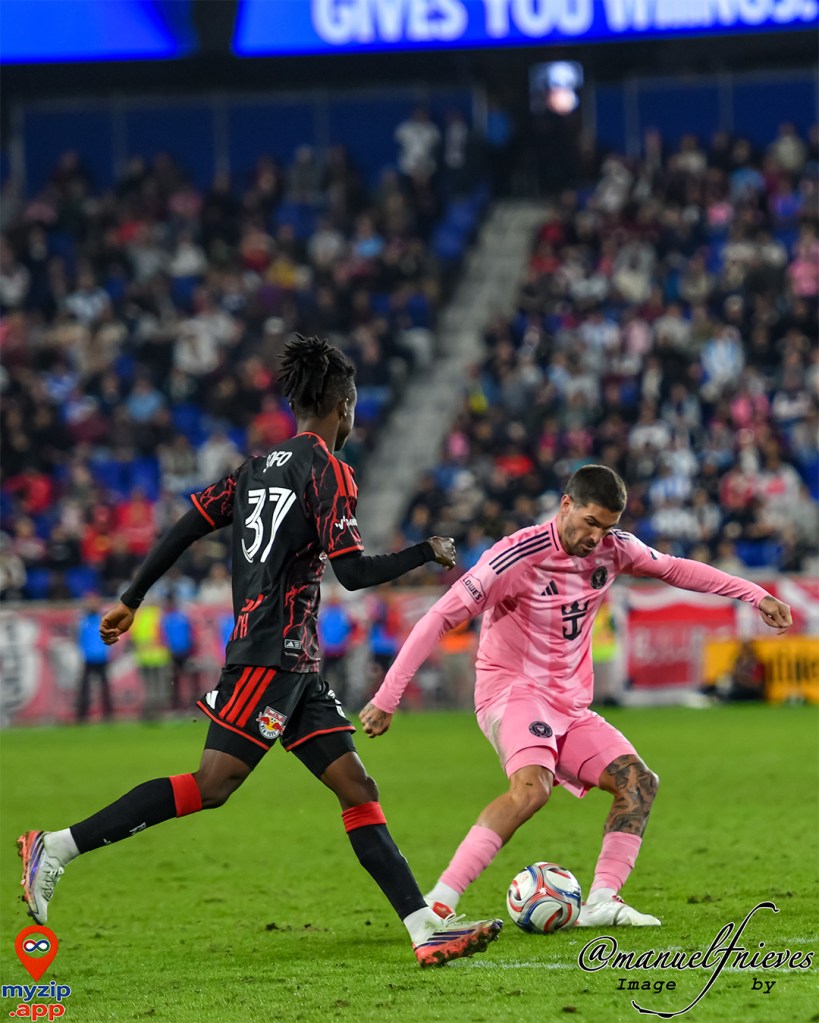
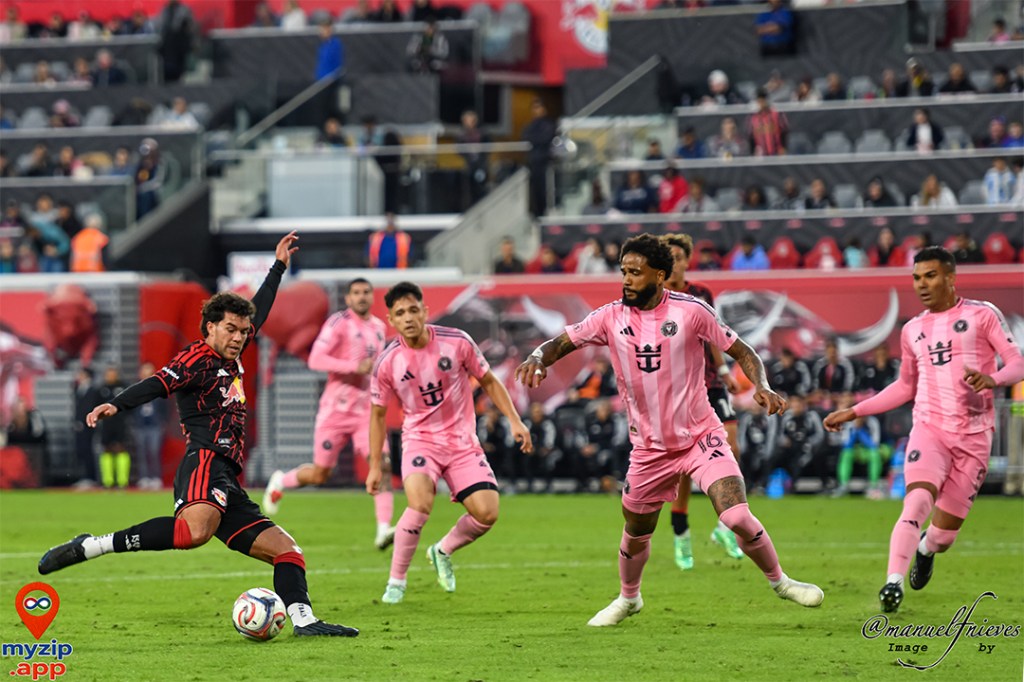
El partido comenzó con vértigo. Red Bulls tomó la iniciativa y encontró espacios para lastimar a la defensa visitante. Jorge Ruvalcaba y Julian Hall ganaban duelos con su movilidad, mientras Cade Cowell imponía velocidad por su banda. Las llegadas locales transmitían una sensación constante de peligro, aunque faltaba precisión para convertirlas en goles.
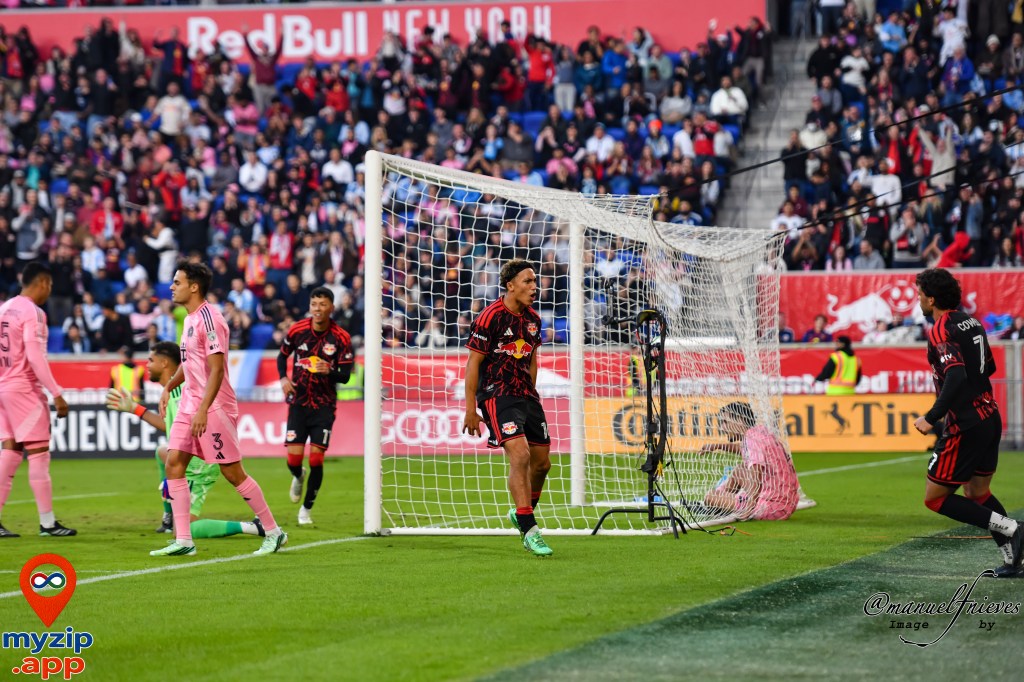
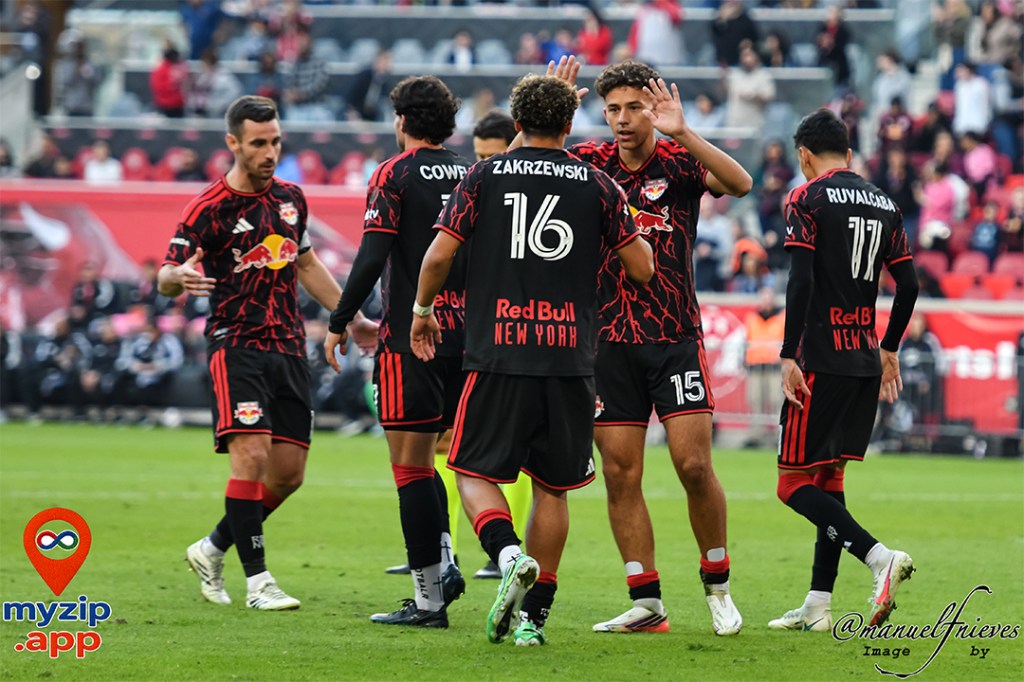
La apertura llegó en el minuto siete. Mohammed Sofo habilitó a Cowell por el costado derecho del área y su centro rasante terminó desviado por Casemiro hacia su propia portería. El autogol premió la insistencia de los locales y encendió unas gradas que encontraron pronto motivos para ilusionarse.
Por lo visto en la primera mitad, la ventaja pudo ser mayor. Red Bulls generó ocasiones para irse al descanso con un margen más amplio, pero falló en el toque final. Ese fue su principal pendiente: transformar la superioridad en una diferencia que le permitiera afrontar el resto del encuentro con tranquilidad.
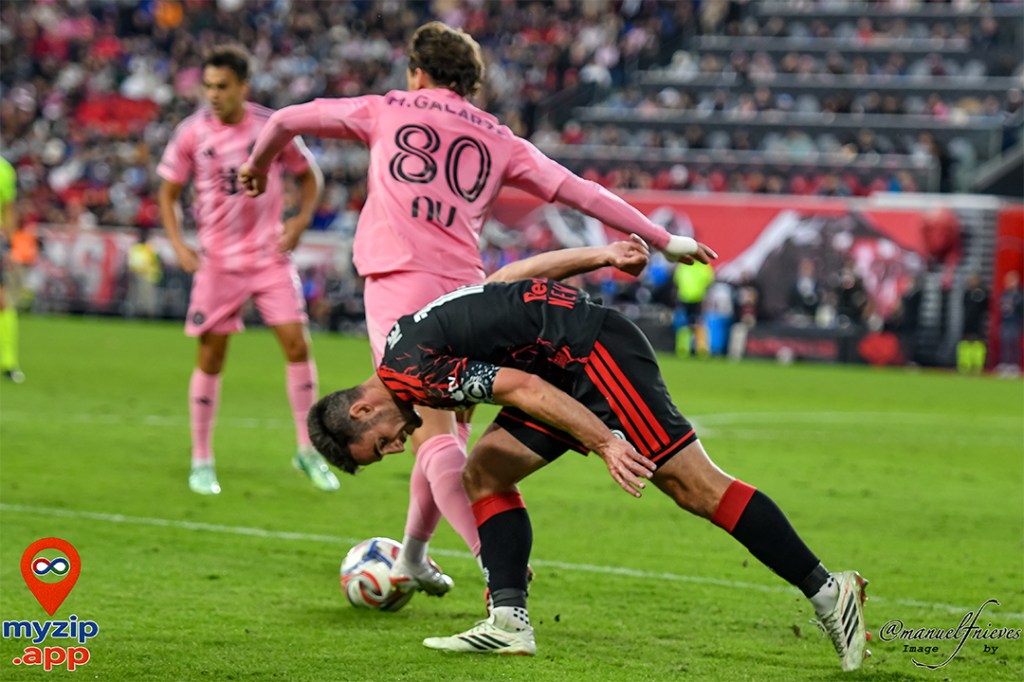
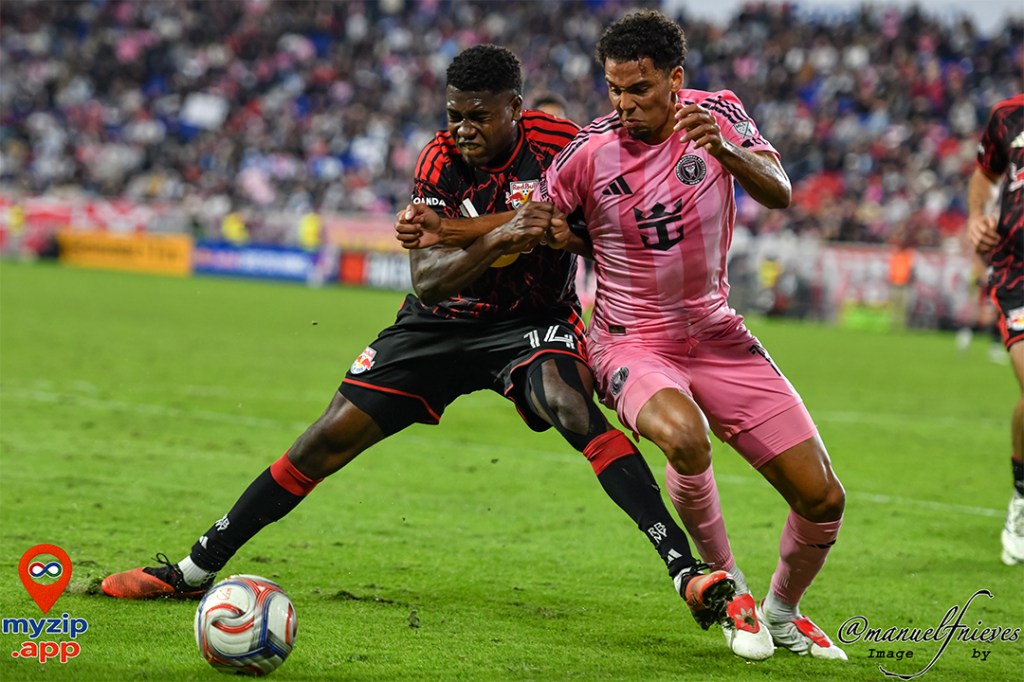
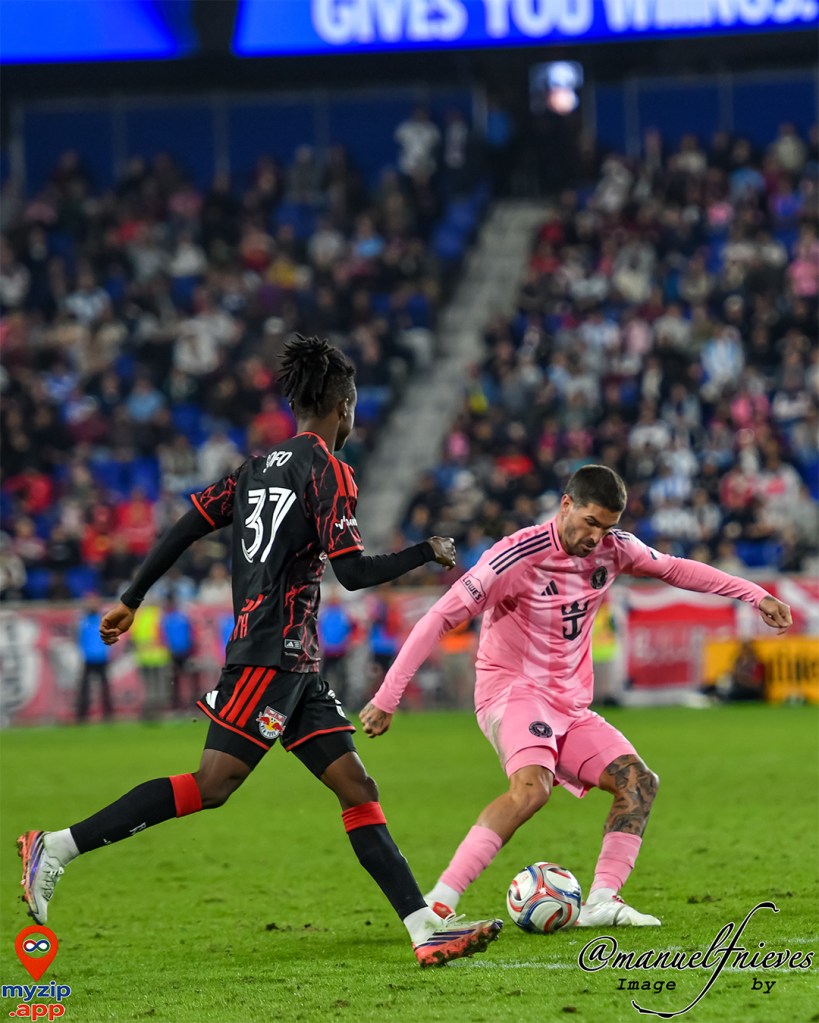
Inter Miami intentó cambiar el desarrollo desde el comienzo del segundo tiempo. Buscó mayor control del balón y adelantó sus líneas, pero esa intención también dejó espacios a sus espaldas. Cada recuperación de los taurinos abría una posibilidad de contragolpe ante una defensa visitante que sufría para responder a la rapidez de los atacantes locales.
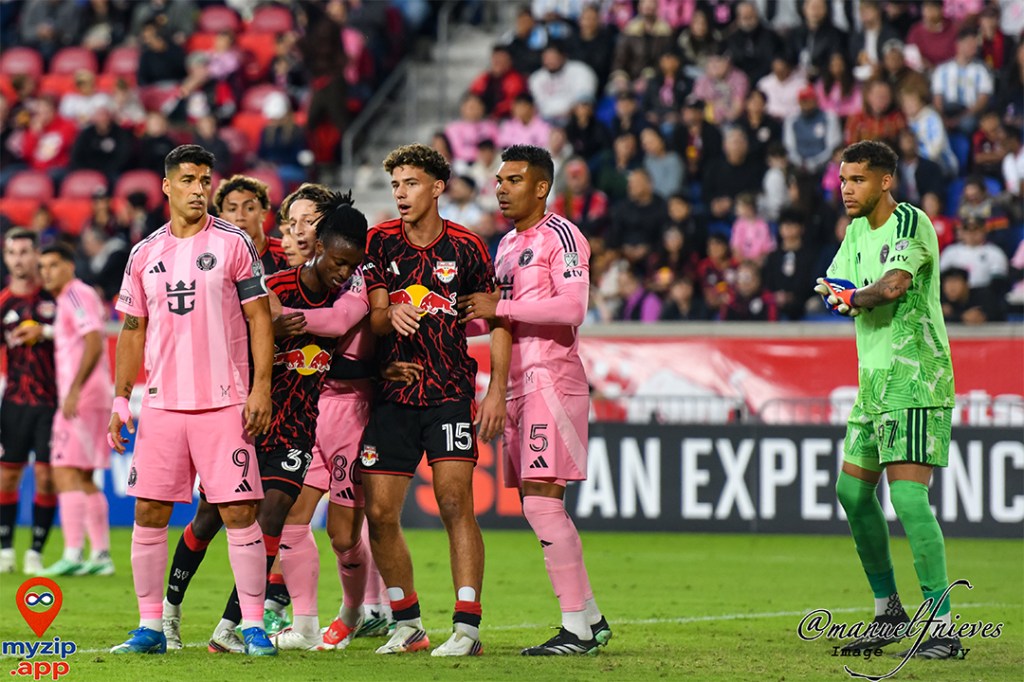
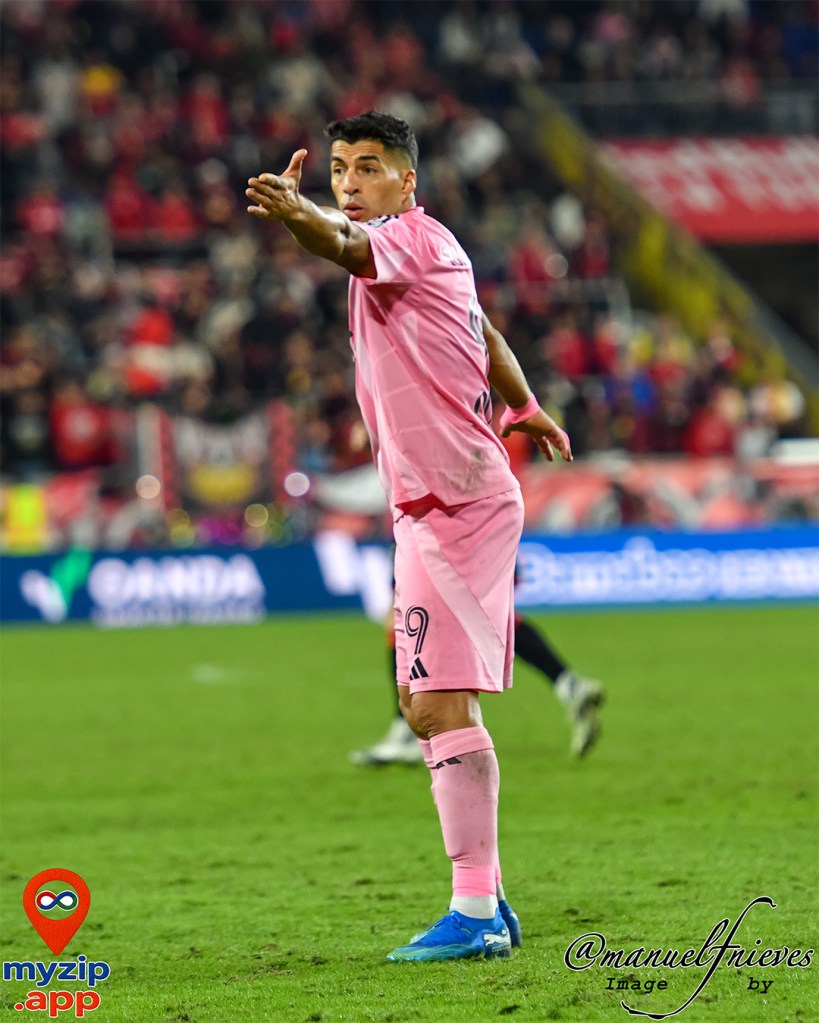
Luis Suárez mostraba su frustración en la delantera. Los balones no le llegaban en condiciones favorables y su presencia quedaba aislada durante largos pasajes. Más atrás, Casemiro se esforzaba por contener las incursiones de un rival que seguía encontrando ventajas en los duelos.
Pasados los primeros minutos de la segunda mitad, un reclamo comenzó a extenderse por las tribunas: «¡Messi, Messi!». Desde distintos sectores, aficionados de ambos equipos pedían la entrada del argentino. Su ingreso renovó la expectativa de quienes esperaban que una aparición suya pudiera cambiar el partido.
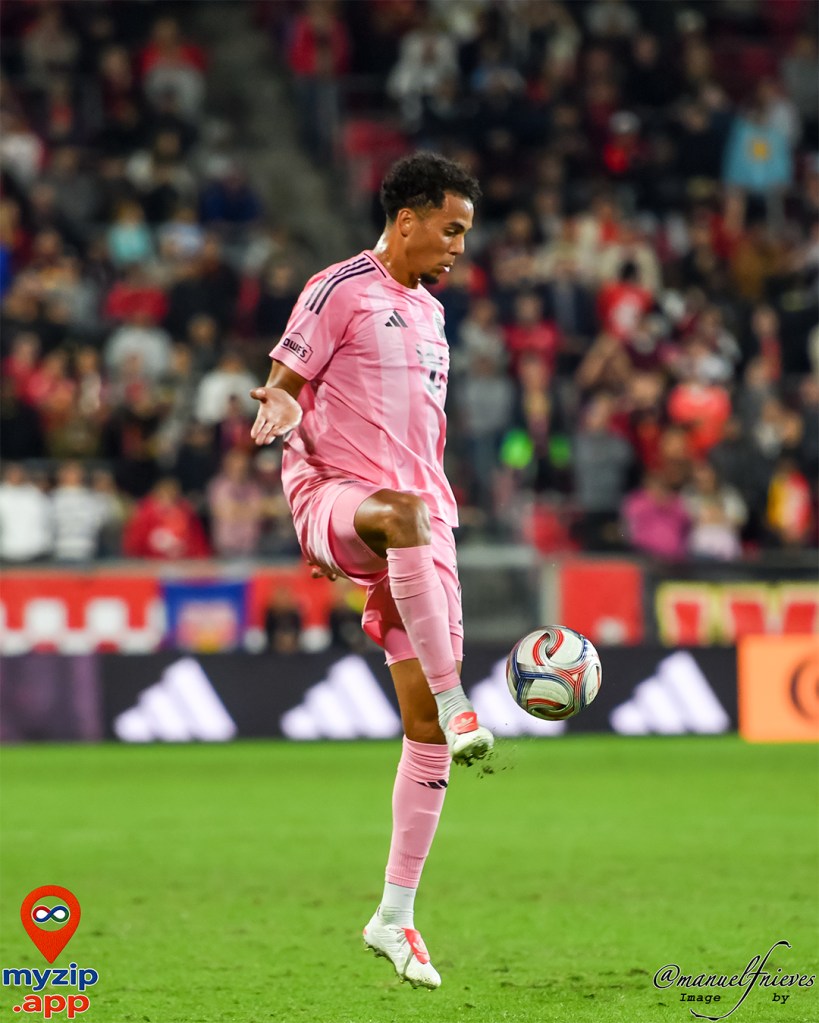
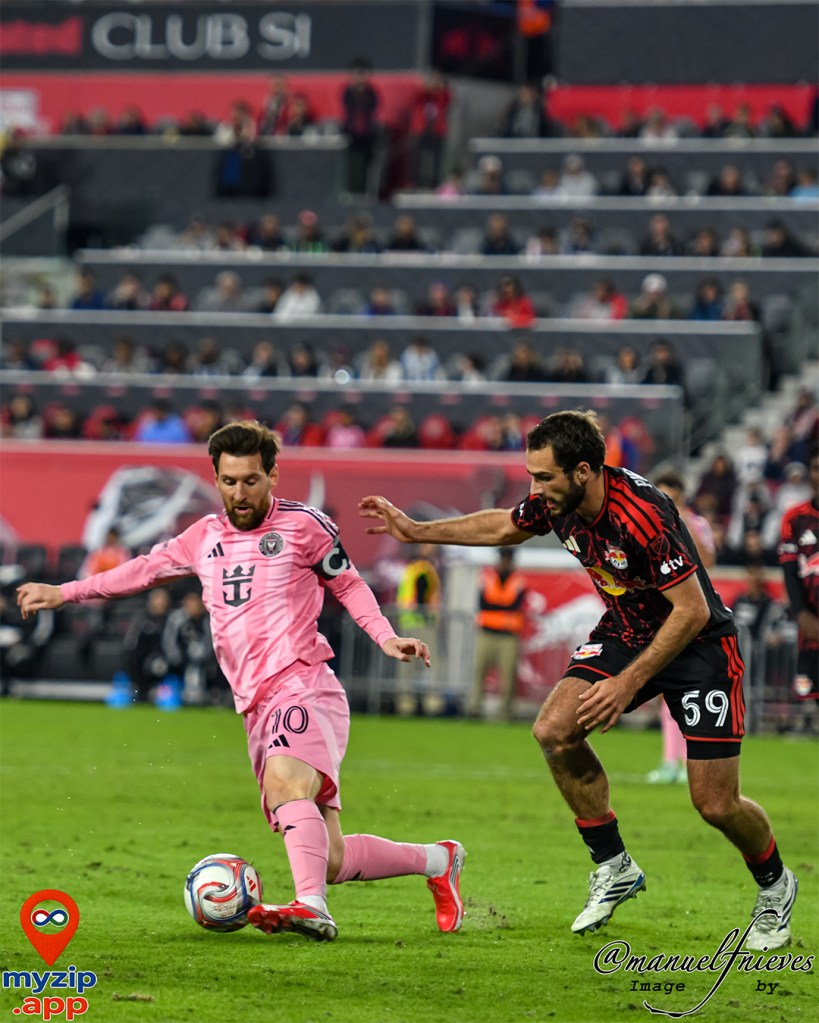
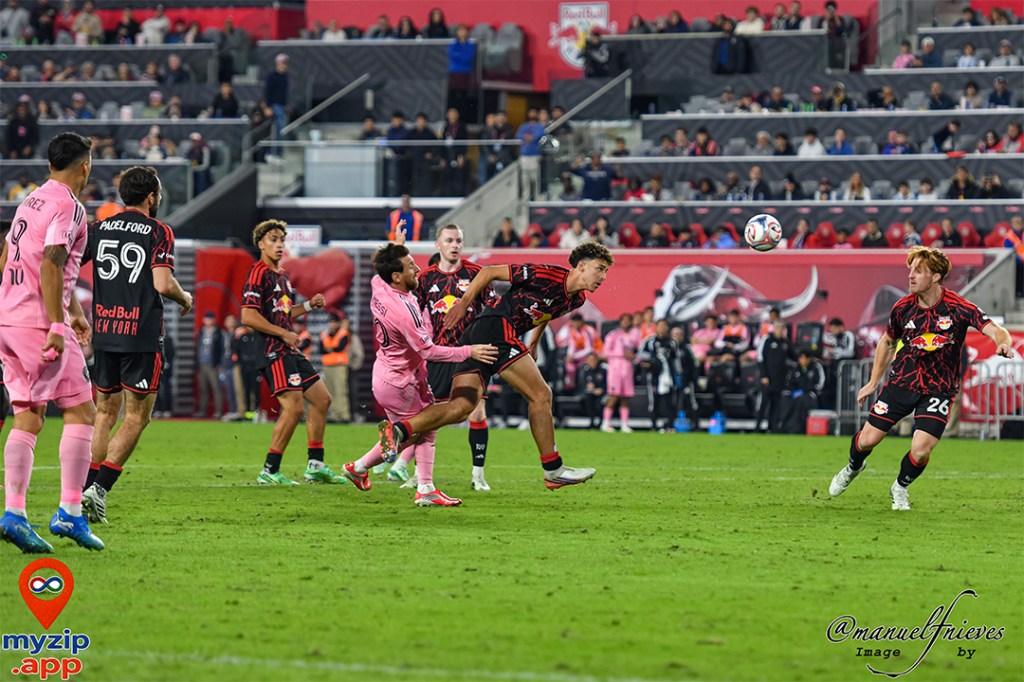
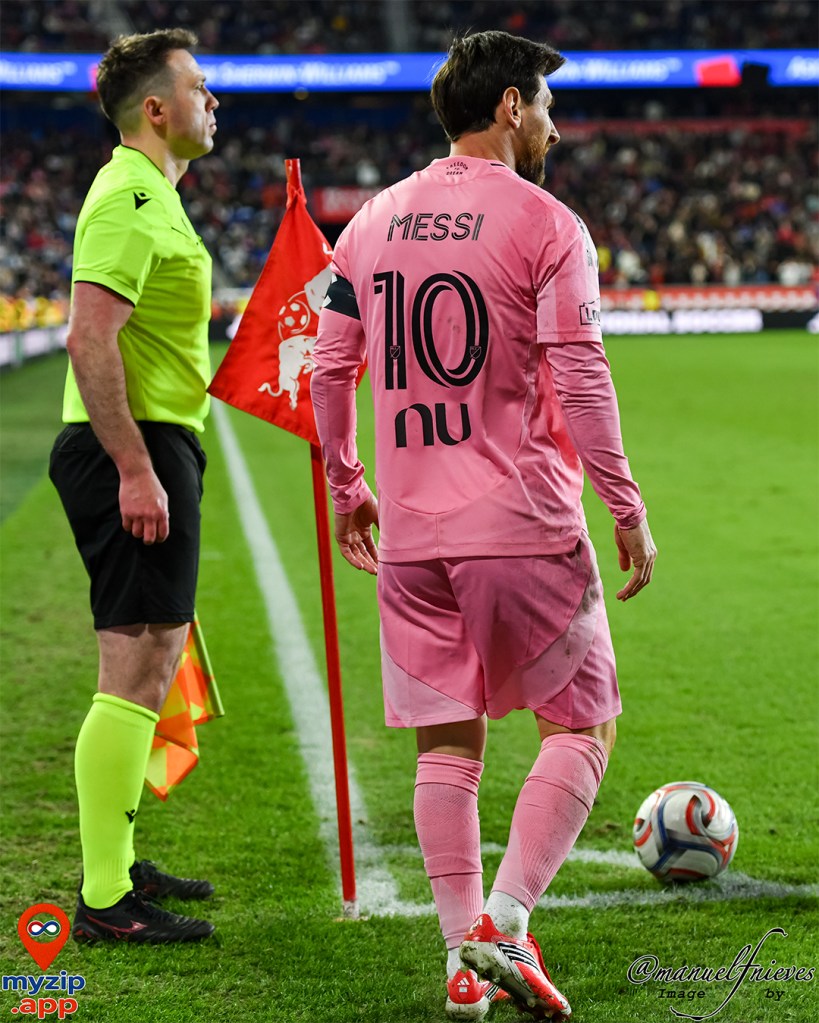
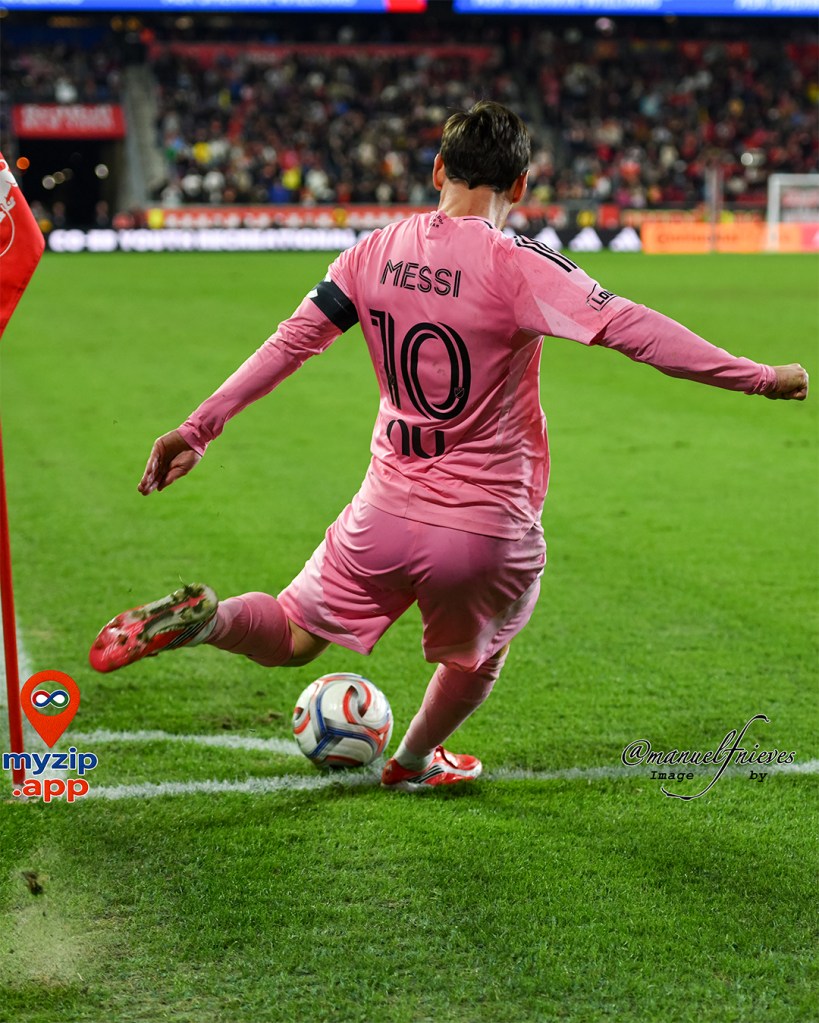
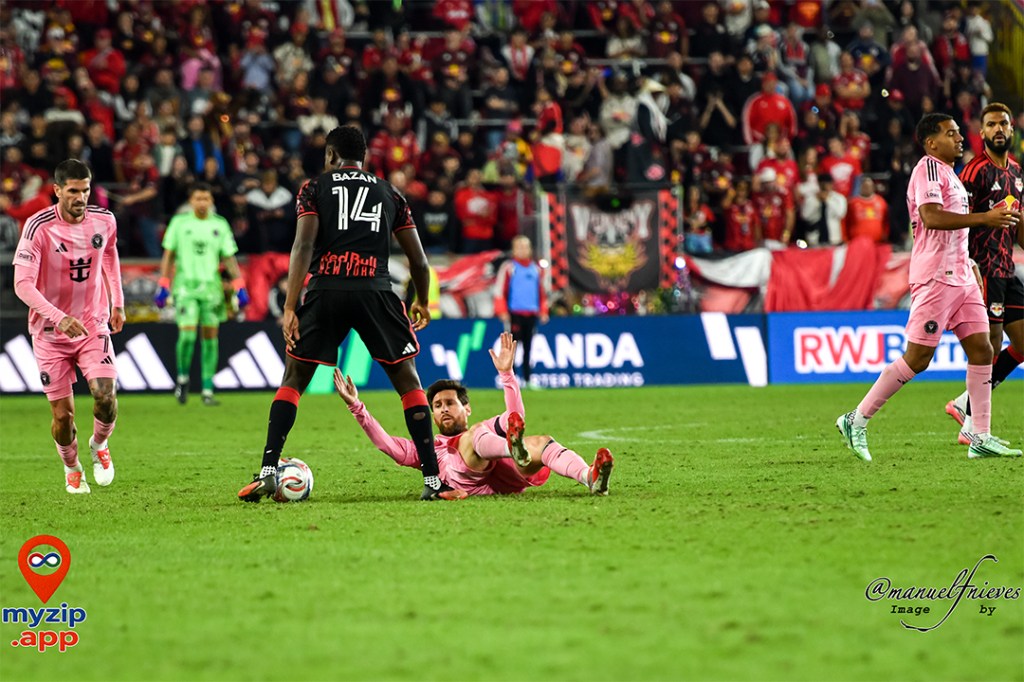
Messi aportó destellos de su calidad, pero no consiguió transformar el funcionamiento del Inter. La presión local le reducía el tiempo para pensar y los espacios para avanzar. Desde mi posición junto a la cancha, se le veía exigido por la intensidad de la marca, sin la continuidad necesaria para imponer su juego. Miami seguía buscando respuestas, mientras el cansancio se hacía más visible en sus movimientos.
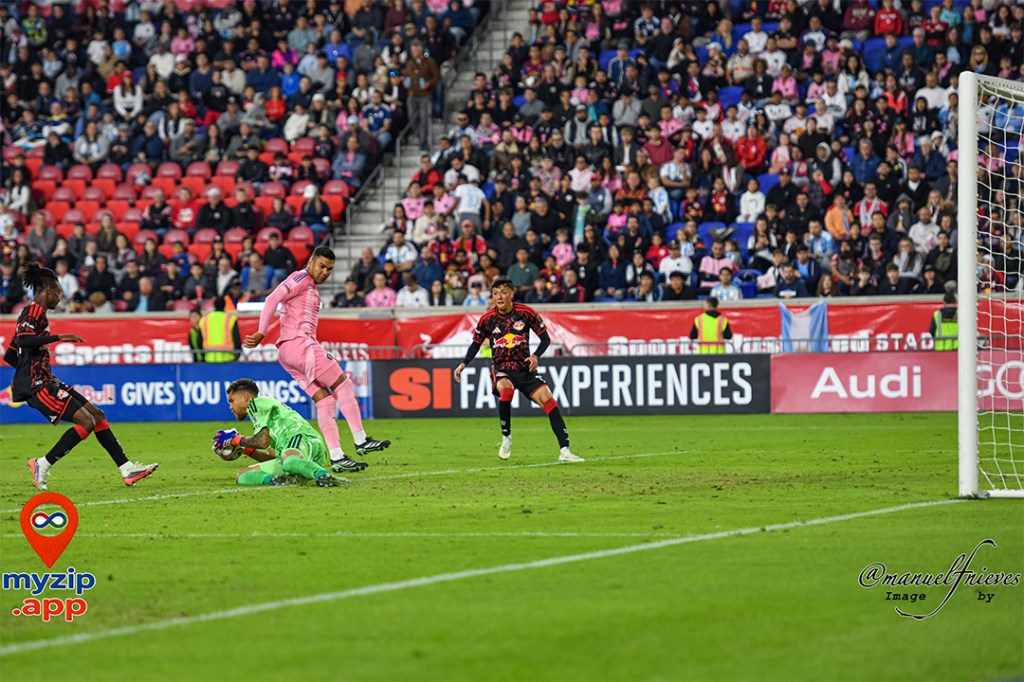
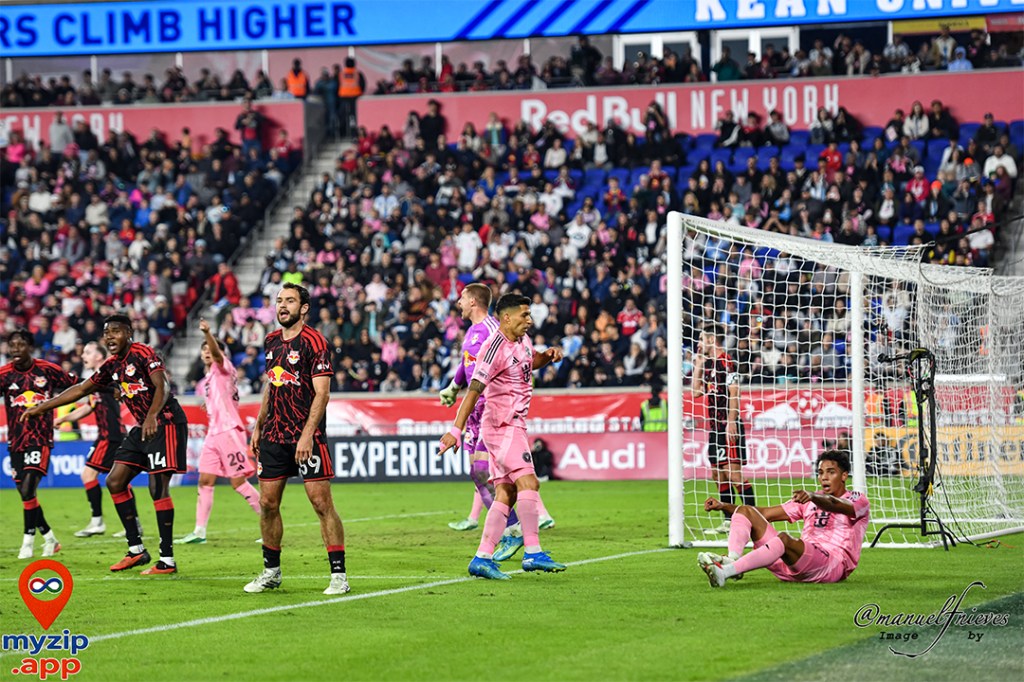
Aun así, la ventaja mínima mantuvo abierta la incertidumbre. En el minuto 84, Santiago Morales encontró una oportunidad que Ethan Horvath logró detener. En la continuación, Telasco Segovia estrelló un potente derechazo contra el travesaño. Fue el momento más claro de los visitantes y un recordatorio del riesgo que había significado para Red Bulls desperdiciar tantas ocasiones.
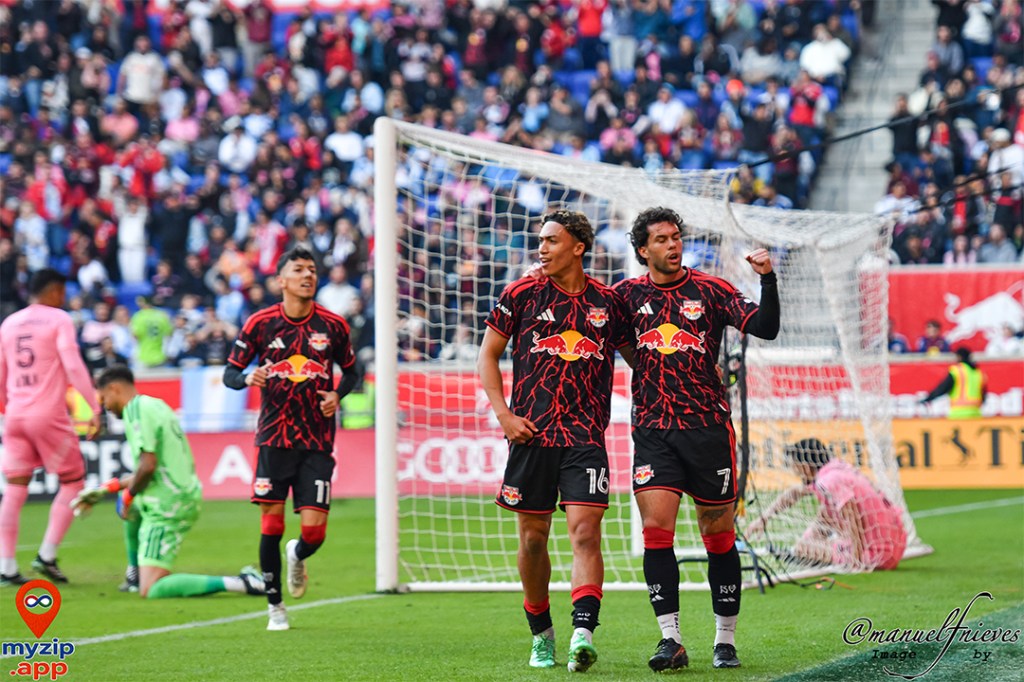
La tranquilidad llegó en el primer minuto del tiempo añadido. Ronald Donkor recuperó el balón en campo de Miami y habilitó a Cameron Harper, quien asistió a Emil Forsberg. El sueco resolvió con un toque elevado para establecer el 2-0 y desatar la celebración en el estadio.
El segundo gol cerró la discusión. Red Bulls había sostenido su esfuerzo, resistido el mayor susto del encuentro y encontrado finalmente la definición que necesitaba.
En los instantes finales observé a Messi mirar hacia el cielo y hacia el árbitro. Al sonar el silbato, bajó la cabeza y encaminó sus pasos hacia el túnel de vestuarios. Su salida dejó una de las imágenes del cierre: la frustración visitante frente a la alegría de una afición local que celebraba una victoria indispensable.
Con tres partidos por disputar en la temporada regular, Red Bulls conserva la esperanza de avanzar. El margen para ceder puntos es reducido y cada encuentro adquiere peso decisivo. Esta victoria, además de sumar, ofrece una referencia del nivel que el equipo puede alcanzar cuando combina intensidad, velocidad y concentración.
Para mí, estas coberturas tienen un valor especial. La presencia de Messi despierta una expectativa enorme, pero lo que permanece también es la atmósfera: un estadio lleno, los gritos de apoyo y la alegría compartida de vivir el fútbol. Desde donde me encontraba, la fiesta transcurrió sin escenas de violencia ni insultos a los protagonistas.
Entre las carreras junto a la línea, el sonido de las tribunas y la emoción del resultado, quedó esa sensación que hace especial estar allí: presenciar cómo un partido se convierte en un recuerdo para quienes lo viven.
Red Bulls Defeat Inter Miami to Keep Playoff Hopes Alive
MATCH DETAILS & CREDITS
Venue: Sports Illustrated Stadium, Harrison, New Jersey
Date: October 24, 2026 · 5:30 p.m.
Attendance: More than 25,000 spectators
Final Score: NY Red Bulls 2–0 Inter Miami
Cameras: Nikon Z8 and Nikon D850
Lenses: Nikkor 400mm and Nikkor 70–200mm
Words and Photography: Manuel F. Nieves · Photojournalist
Media Accreditation: Noticiero Universo
With Support From: MyZip.app · Trading Cards, Stickers & Collectibles
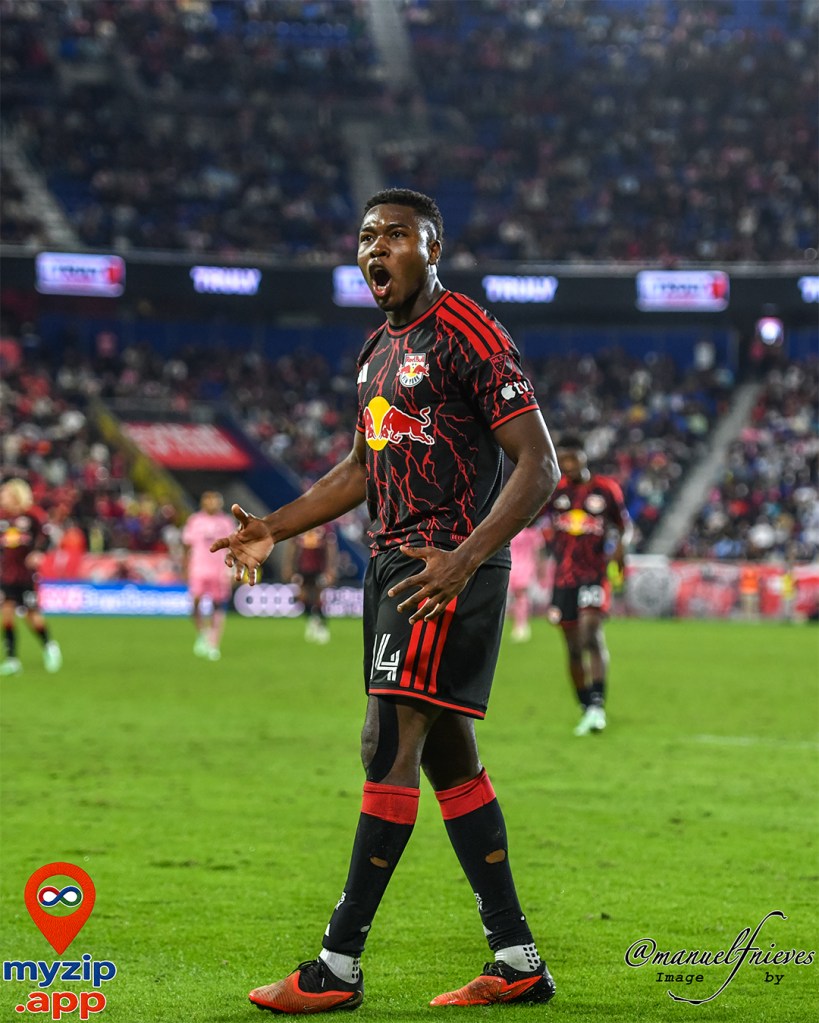
It was an afternoon of joy and renewed hope for New York Red Bulls supporters. A 2–0 victory over Inter Miami at Sports Illustrated Stadium in Harrison, New Jersey, strengthened their playoff ambitions and delivered one of the team’s most convincing performances of the season.
The Red Bulls understood the urgency: these three points had to stay at home. From the edge of the field, their determination was clear. They challenged fiercely for possession and attacked without appearing intimidated by the names on the opposing team.
The match began at a frantic pace. New York seized the initiative and found openings in Miami’s defense. Jorge Ruvalcaba and Julian Hall won individual battles with their movement, while Cade Cowell used his speed to threaten down the flank. The home side’s attacks carried a constant sense of danger, although their finishing lacked precision.
The breakthrough came in the seventh minute. Mohammed Sofo released Cowell down the right side of the penalty area, and his low cross was deflected into the net by Casemiro. The own goal rewarded New York’s persistence and gave the crowd an early reason to believe.
Based on the first-half performance, the lead could have been greater. The Red Bulls created chances to reach halftime with a more comfortable advantage but failed to apply the finishing touch. That remained their main shortcoming: turning their superiority into a cushion that would ease the pressure after the break.
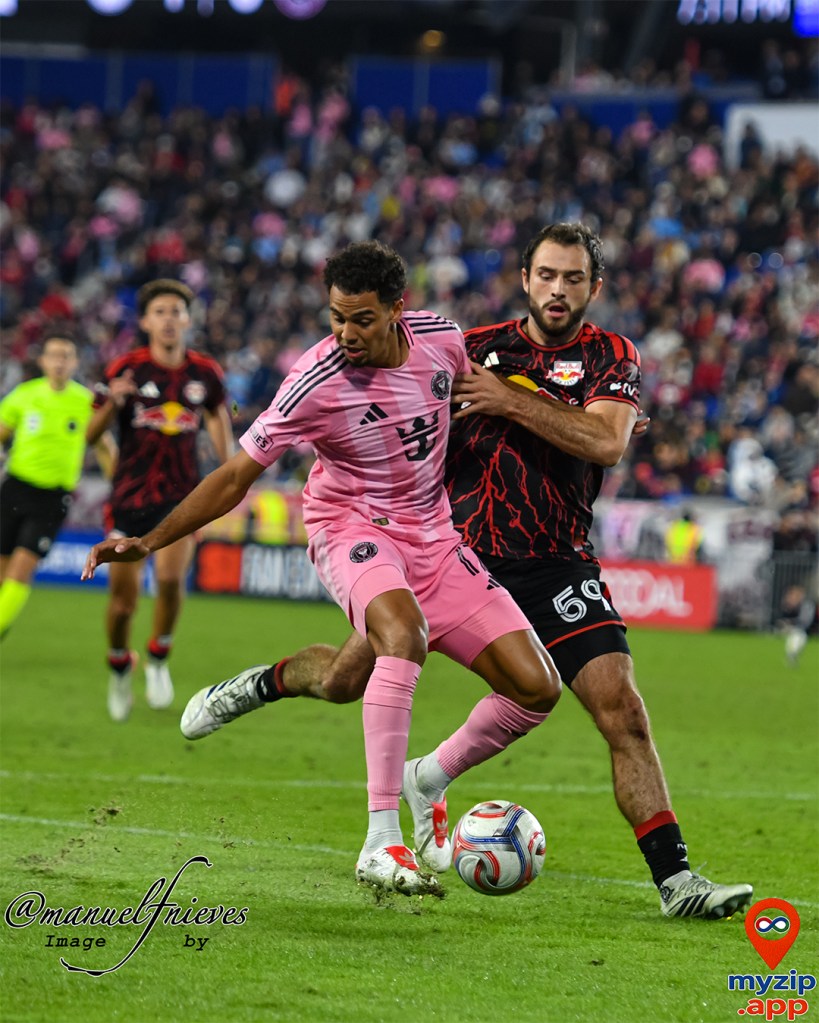
Inter Miami tried to change the course of the match from the start of the second half. The visitors sought greater control of possession and pushed forward, but doing so also exposed the space behind them. Each New York recovery offered an opportunity to counterattack against a defense struggling to match the home attackers’ speed.
Luis Suárez showed his frustration up front. Service rarely reached him in favorable positions, leaving him isolated for long stretches. Further back, Casemiro worked to contain a home side that continued to find an edge in individual duels.
Early in the second half, a chant began spreading through the stands: “Messi! Messi!” Supporters of both teams called for the Argentine’s introduction. His arrival renewed the expectations of those who believed a moment of his brilliance could change the game.
Messi offered flashes of his quality but could not transform Miami’s overall play. New York’s pressure limited his time on the ball and the space available to move forward. From my position beside the field, he appeared challenged by the intensity of the marking, unable to establish the rhythm he needed to impose himself. Miami continued searching for answers as fatigue became increasingly visible in the visitors’ movement.
Still, the narrow lead kept the outcome uncertain. In the 84th minute, Santiago Morales forced a save from Ethan Horvath. In the ensuing action, Telasco Segovia struck the crossbar with a powerful right-footed shot. It was Miami’s clearest opportunity and a reminder of the risk New York had taken by wasting so many earlier chances.
Relief arrived in the first minute of stoppage time. Ronald Donkor won possession in Miami’s defensive third and played Cameron Harper through. Harper supplied Emil Forsberg, who finished with a deft lofted shot to make it 2–0 and send the stadium into celebration.
The second goal settled the contest. New York had sustained its effort, survived the visitors’ biggest threat, and finally found the finish it needed.
In the closing moments, I watched Messi look toward the sky and then toward the referee. When the final whistle sounded, he lowered his head and headed toward the tunnel. His departure provided one of the afternoon’s lasting images: the visitors’ frustration alongside the joy of home supporters celebrating an essential victory.
With three regular-season matches remaining, the Red Bulls still have hope of advancing. There is little room to drop points, and every remaining game carries significant weight. Beyond the points themselves, this victory offered a measure of what the team can achieve through intensity, speed, and concentration.
For me, covering matches like this carries a special meaning. Messi’s presence creates enormous anticipation, but the atmosphere stays with me too: a full stadium, voices raised in support, and the shared happiness of experiencing the game. From where I stood, the occasion unfolded without scenes of violence or insults directed at those on the field.
Between the runs along the touchline, the sound of the stands, and the emotion of the result, that familiar feeling remained—the privilege of being there as a match becomes a memory for the people living it.


Share your thoughts